
medhya
Perimenopause, naturally
You aren’t “just a poor sleeper” — your internal thermostat & stress axis are off-line
Have you found yourself staring at the ceiling at 3:00 AM, heart racing, mind churning through endless worries, completely unable to fall back asleep? Do you wake up drenched in sweat, throwing off the covers one minute and shivering the next? Or perhaps you lie in bed exhausted for hours, but your brain simply refuses to shut off and drop into restorative deep sleep?
When you bring up this chronic exhaustion, it is all too common to be met with vague advice like “Try taking melatonin,” “Avoid screens before bed,” or a dismissive, “Well, midlife sleep is just rough.”
medhya
Perimenopause, naturally
You can calm the alarm. Your nights need different signals.
Once you address the root causes driving nighttime alertness and temperature surges, you can calm your nervous system and return to deep, uninterrupted, rejuvenating sleep.
1. Understanding the root causes of perimenopausal sleep disruption
Restful sleep requires a delicate interplay between hormones, neurotransmitters, blood sugar, and body temperature. During perimenopause, several underlying drivers disrupt this system.
Adrenal cortisol spikes & the 3 AM glucose crash
If blood sugar drops too low at night (skipping meals, under-eating protein, or high daytime stress), your adrenals panic. They surge cortisol and adrenaline to raise blood sugar. That surge wakes you between 2 AM and 4 AM with a racing heart and an overactive mind.
Hypothalamic sensitivity & thermoregulation
Fluctuating estrogen affects the brain’s thermostat. Combined with elevated stress signals, small shifts in core temperature trigger an exaggerated heat-release response — intense flushing and profuse sweating.
medhya
Perimenopause, naturally
Progesterone & GABA depletion
Progesterone is your brain’s natural calming hormone. It stimulates GABA receptors — the brain’s brake pedal. As progesterone drops early in perimenopause, your brain loses its ability to unwind, calm racing thoughts, and sustain slow-wave deep sleep.
Liver detox overload & circadian rhythm shift
In traditional wellness systems, 1 AM to 3 AM is connected to liver processing. If your liver is overworked filtering circulating hormones, stress byproducts, and refined foods, it generates internal heat and neurological wakefulness in those exact hours.
By stabilizing blood sugar before bed, dampening cortisol spikes, supporting GABA pathways, and cooling internal heat, you can restore your body’s natural circadian clock.
2. Nighttime alarm state vs. deep restorative sleep
What you’re feeling has a pattern. See which column sounds like your night.
| Sleep area | Nighttime alarm (unaddressed) | Calmed & restorative (Medhya protocol) |
|---|---|---|
| Onset & fall-asleep | Restless tossing, racing thoughts, high anxiety | Falling asleep smoothly within 15–20 minutes |
| Middle-of-night | Waking abruptly at 3 AM with heart pounding | Sleeping soundly through; brief wakings pass effortlessly |
| Body temperature | Sudden heat surges, night sweats, tossing off blankets | Balanced core temperature, cool skin, uninterrupted sleep |
| Morning experience | Waking unrefreshed, heavy brain fog, needing caffeine | Waking refreshed, alert, with clear morning energy |
medhya
Perimenopause, naturally
3. Essential foods & nutrients for restful sleep
Restoring sleep quality requires nutrient co-factors that steady nighttime blood sugar and nourish calming neurotransmitters. Open your meal plan in the Medhya app for more of these plates — build my plan
Glycine & magnesium glycinate powerhouses
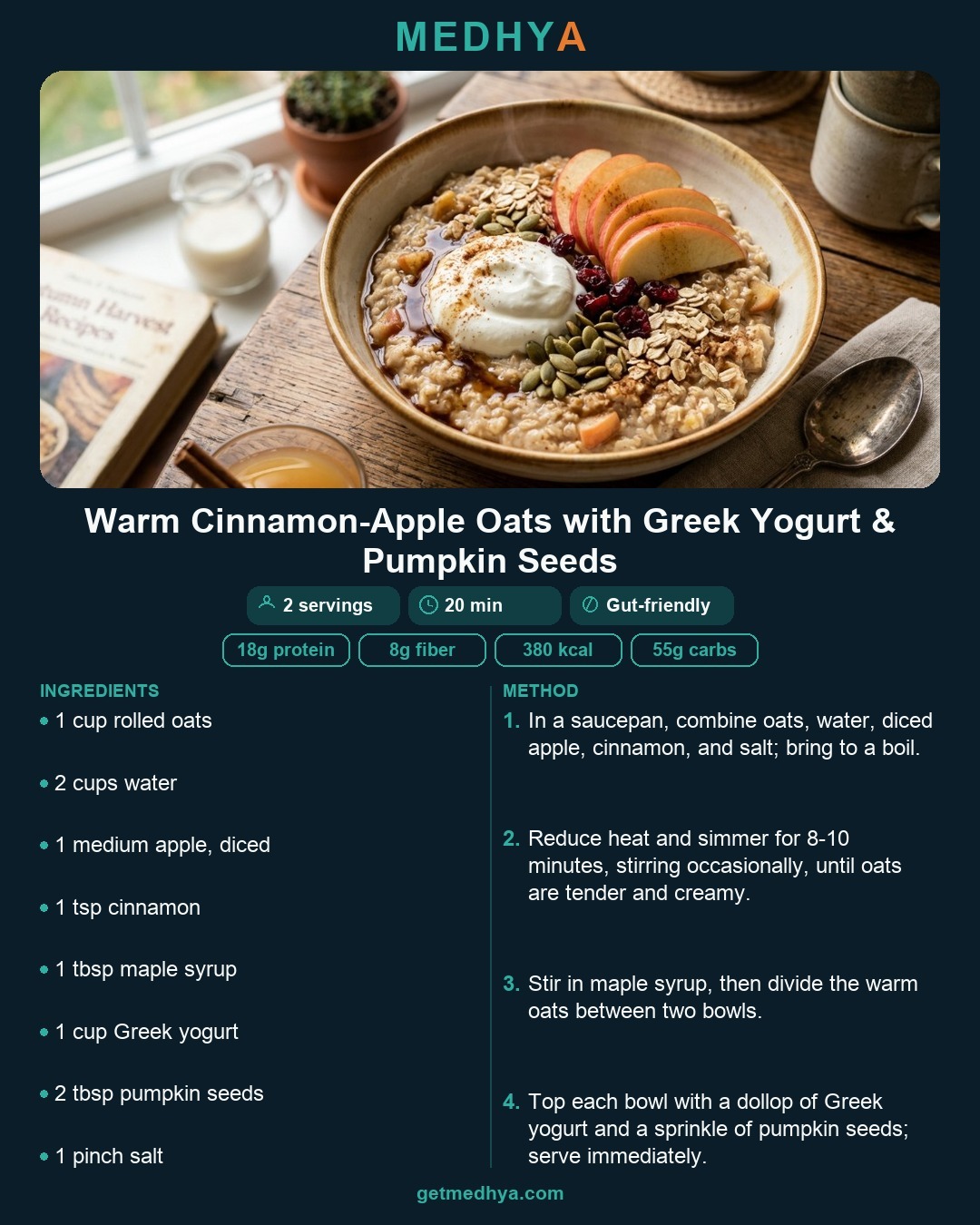
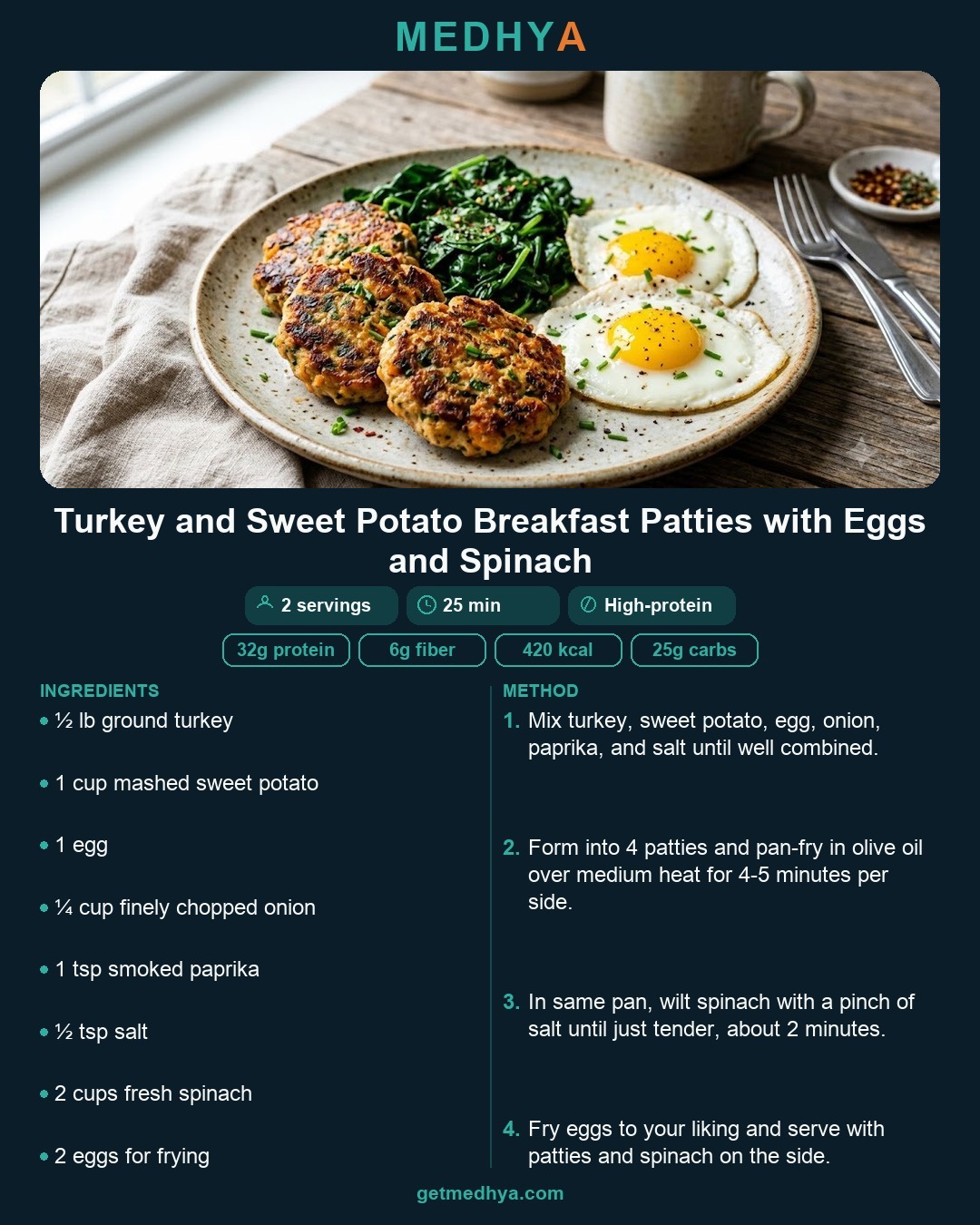
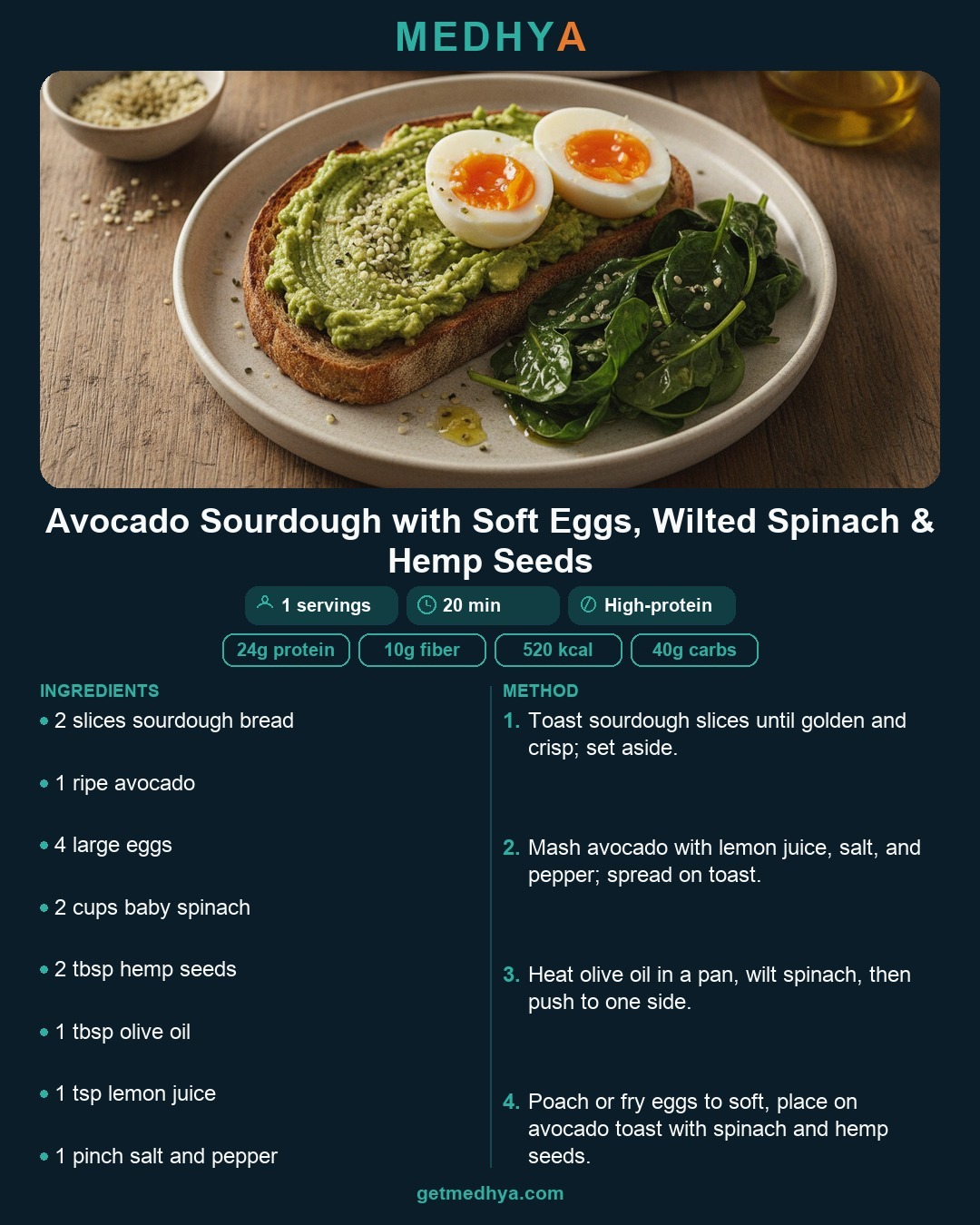
Pumpkin seeds, almonds, spinach, bone broth, oats.
Magnesium glycinate relaxes skeletal muscles and activates GABA receptors, while glycine gently lowers core body temperature to encourage deep sleep.
Complex carbs & tryptophan anchors
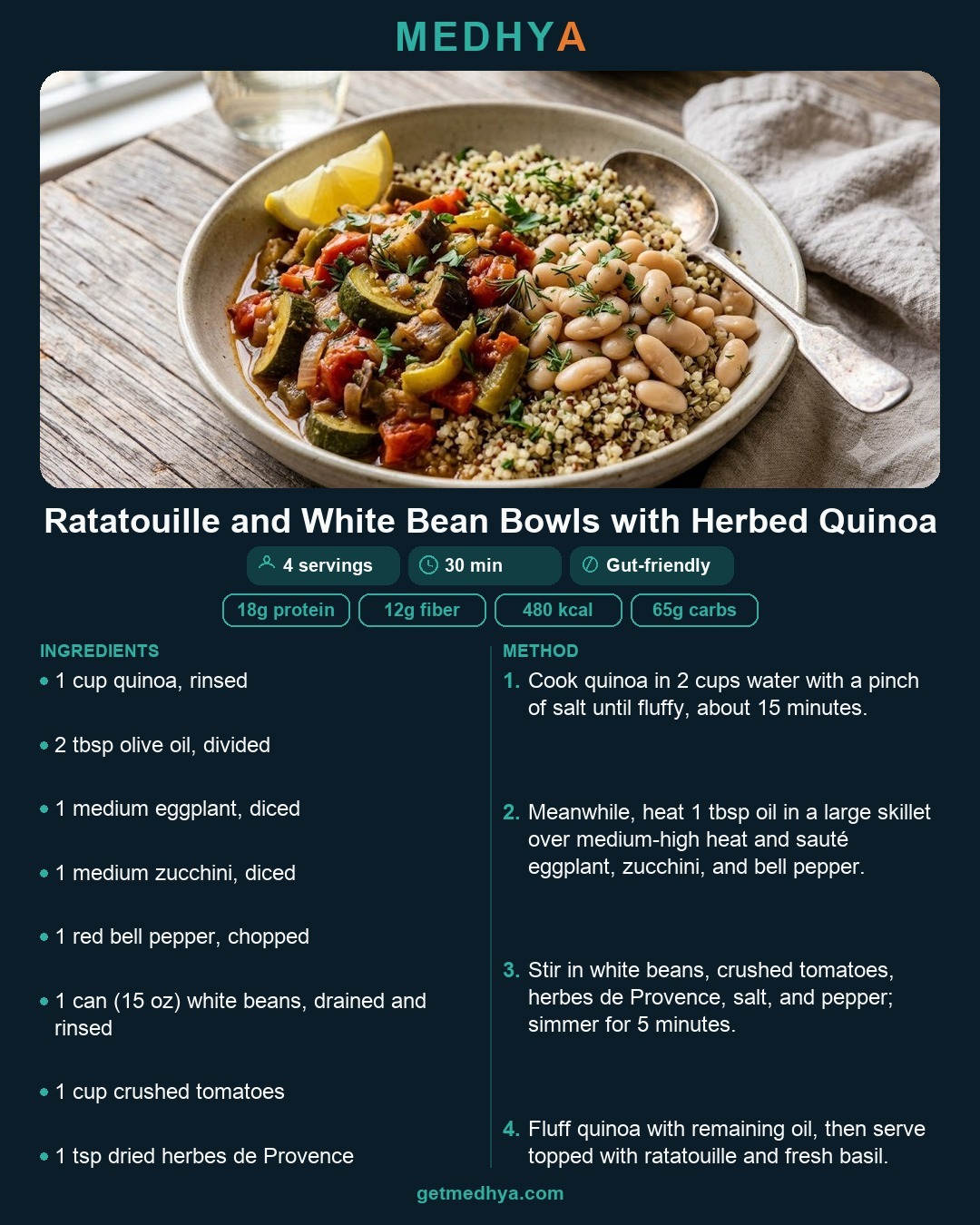
Bananas, oats, quinoa, sesame seeds, turkey, chickpeas.
A small complex carbohydrate with tryptophan in the evening helps transport tryptophan across the blood-brain barrier to produce serotonin and melatonin.
Cooling & liver-supporting foods
Cucumber, coconut water, mint, chamomile, leafy greens.
Help reduce internal heat and support efficient nightly liver clearance of used hormones.
Adaptogenic & calming herbal allies
Ashwagandha, nutmeg, chamomile, passionflower, valerian.
Ashwagandha helps suppress nighttime cortisol surges, while a pinch of nutmeg and chamomile calms the nervous system and relaxes digestion.
medhya
Perimenopause, naturally
Breakfast
medhya
Perimenopause, naturally
Breakfast
medhya
Perimenopause, naturally
Breakfast
medhya
Perimenopause, naturally
Lunch
medhya
Perimenopause, naturally
Lunch
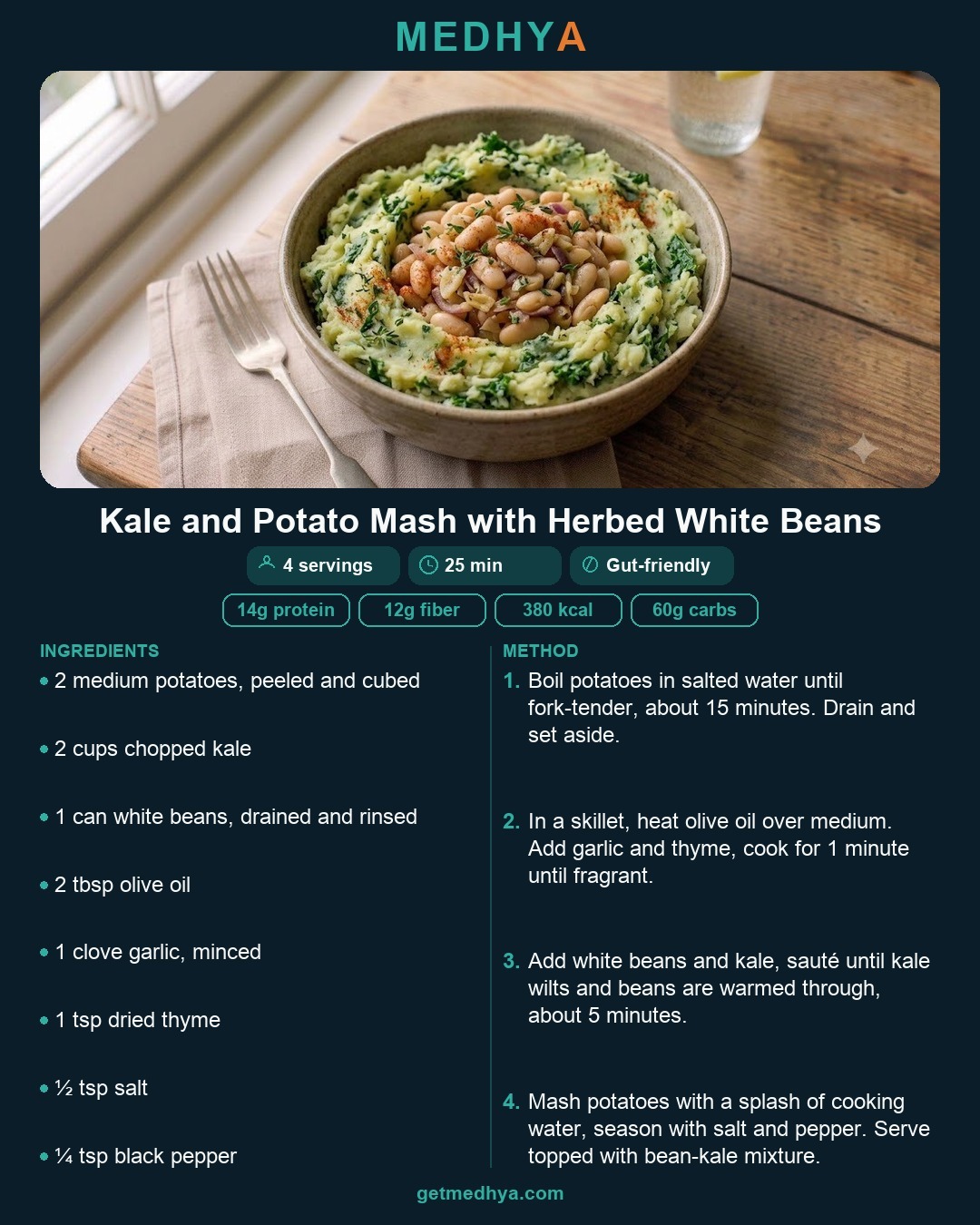
medhya
Perimenopause, naturally
Dinner
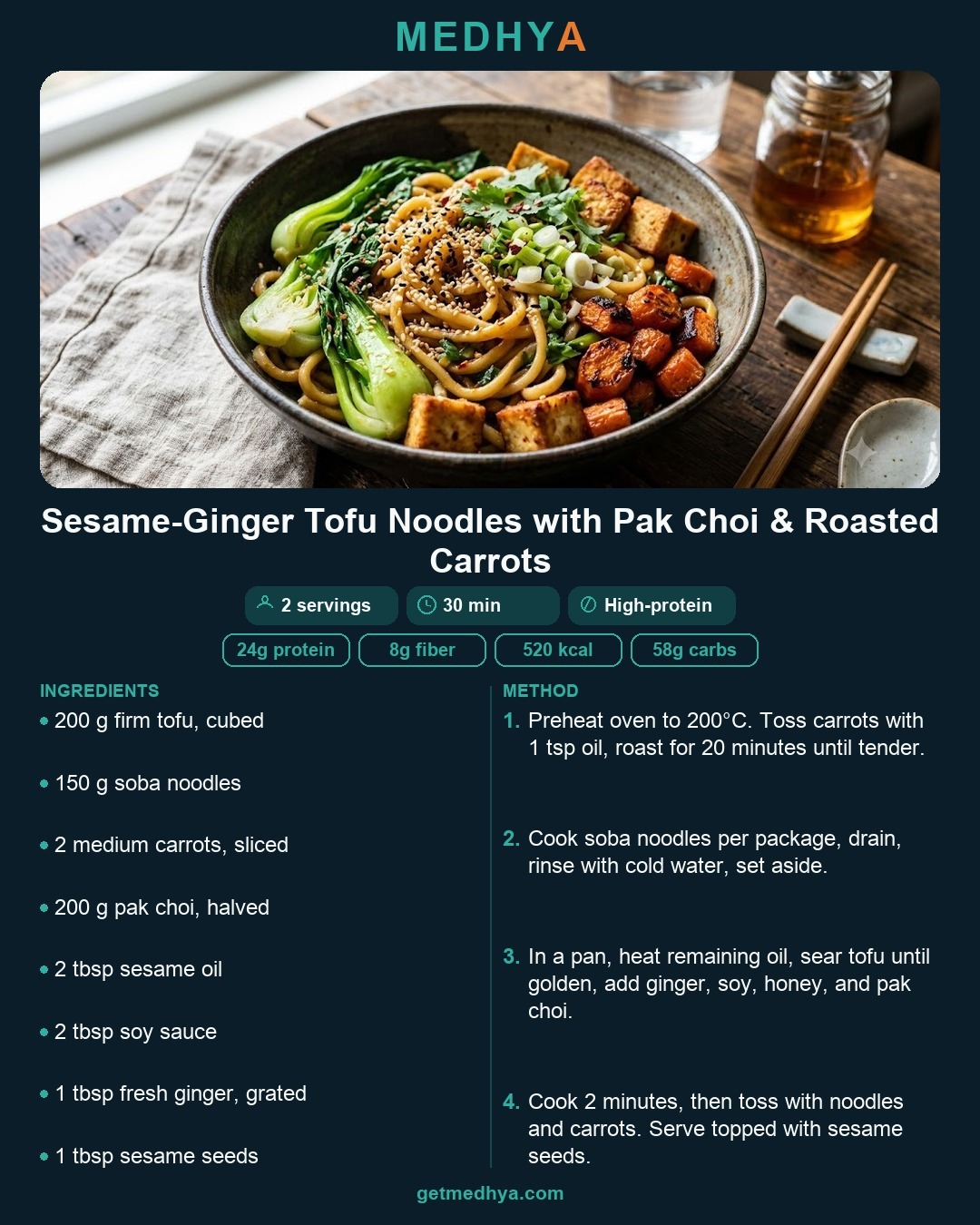
medhya
Perimenopause, naturally
Dinner
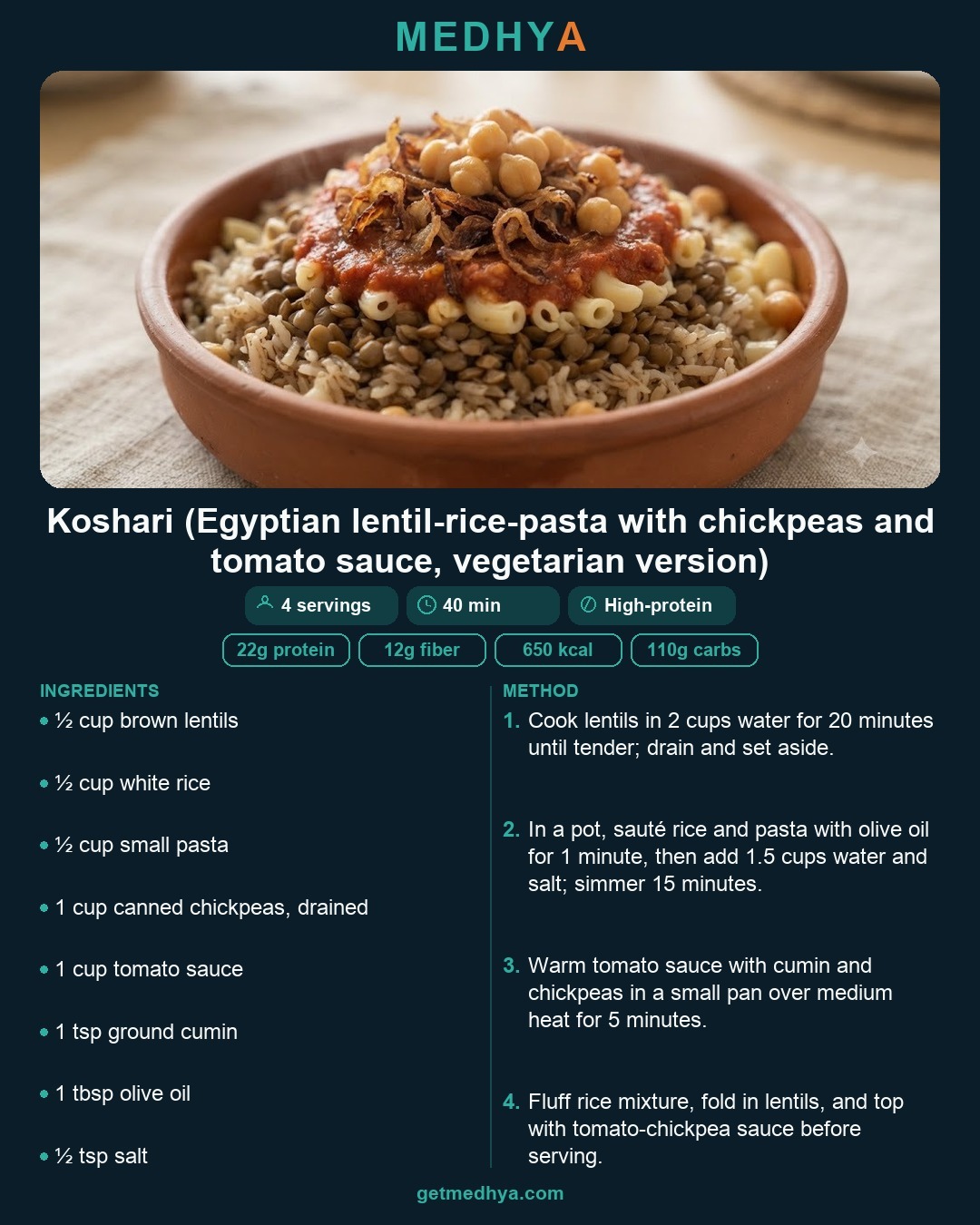
medhya
Perimenopause, naturally
4. The daily sleep & nighttime recovery protocol
Set the clock in the morning, buffer cortisol in the afternoon, lower core temperature at night. Same steps, every day, so your nervous system knows it is safe to sleep.
| Time of day | Goal | Sleep support action |
|---|---|---|
| Morning routine | Anchor circadian clock | Drink warm water. Step outside for 10 minutes of direct morning sunlight to set your master brain clock and boost nighttime melatonin production. |
| Midday meal | Liver support & steady energy | Eat a warm, cooked lunch loaded with dark greens and healthy fats. Open your personalized meal plan in the Medhya app for cooling, liver-cleansing recipes. |
| Afternoon snack | Cortisol buffering | Avoid caffeine after 12 PM. Sip warm chamomile or mint tea. Enjoy a handful of almonds or pumpkin seeds to prevent evening blood sugar dips. |
| Evening / bedtime | Lower core temp & glucose stability | Follow your 10-minute sleep prep routine in the Medhya app (guided legs-up-the-wall and somatic breathwork). Eat a small bedtime snack (e.g., 1/2 banana with 1 tbsp almond butter, or warm moon milk with a pinch of nutmeg). |
medhya
Perimenopause, naturally
5. 3 effortless habits for deep sleep
No forcing. Three ways to tell your nervous system it is safe enough to switch off.
Practice bedtime somatic downshift in Medhya
Instead of scrolling on your phone (which blocks melatonin), open your Medhya app to play guided sleep meditations, slow belly-breathing audios, and somatic cooling stretches that switch your nervous system into parasympathetic rest.
Have a bedtime glucose safety net
If you wake regularly at 3 AM, eat a small bite of healthy protein and fat (like a spoonful of nut butter or pumpkin seeds) 30 minutes before bed to stop nighttime cortisol spikes.
Log sleep quality & night sweats in the Medhya tracker
Use the Medhya app to log sleep scores, room temperature, and evening meals so you can identify exact triggers and track progress week by week.