
medhya
Perimenopause, naturally
Where did your inner calm go?
If you’ve felt like your emotional fuse has shrunk to a millimeter lately, you are not imagining it.
Maybe you lie awake at 3 AM with a sudden, unexplainable wave of anxiety washing over you, watching the clock tick down toward morning. Maybe your periods have turned completely unpredictable — heavy one month, light the next, or arriving earlier than expected. Or perhaps you feel constantly bloated, holding onto water weight, and feeling like your mood swings hit with the force of a sudden storm.
When you try to explain this, you might be told, “It’s just PMS,” or “You’re just getting older, get used to it.”
medhya
Perimenopause, naturally
You aren’t failing. Your body hasn’t forgotten how to find balance.
Once you understand why progesterone drops first and how to protect it, you can give your system the exact physical support it needs to bring back deep sleep, steady moods, and true emotional grounding.
1. The progesterone drop & the “cortisol steal”
Progesterone is typically the very first hormone to drop in perimenopause — frequently declining 10 to 15 years before menopause actually arrives. Because ovulation becomes irregular during this phase, your ovaries produce significantly less progesterone, triggering a chain reaction across your entire body:
Loss of your natural GABA cushion
Progesterone converts in your brain into a neurosteroid called allopregnanolone, which binds directly to your GABA receptors. GABA is your brain’s natural brake pedal against stress and panic. When progesterone plunges, your GABA cushion disappears — leaving you vulnerable to sudden anxiety, mood swings, and light, fitful sleep.
Relative estrogen dominance
Even if your estrogen levels are also dropping, a sharp drop in progesterone leaves estrogen unopposed. This imbalance drives classic “estrogen dominance” symptoms: heavy periods, severe breast tenderness, fluid retention, and stubborn midsection weight.
medhya
Perimenopause, naturally
The “cortisol steal” (progesterone siphon)
When your body is fighting physical, inflammatory, or nutrient stress, your adrenals prioritize survival. They steal the raw building blocks meant for progesterone and use them to produce stress hormones instead.
The starvation & fasting trap
Pushing through long fasts or under-eating deprives your ovaries and adrenals of the healthy cholesterol and micronutrients needed to manufacture progesterone in the first place.
medhya
Perimenopause, naturally
2. Low progesterone vs. balanced progesterone
What you’re feeling has a pattern. See which column sounds like your week.
| Health area | Low progesterone | Balanced progesterone |
|---|---|---|
| Sleep & brain | 3 AM waking, vivid night anxiety, brain fog, light sleep | Deep restorative sleep, calm mental clarity, emotional steadying |
| Menstrual cycle | Shortened cycles, pre-period spotting, heavy/clotty flow | Predictable cycle lengths, comfortable flow, smooth transitions |
| Body & metabolism | Heavy fluid retention, bloating, breast swelling, stubborn weight | Optimal fluid balance, healthy thyroid support, steady metabolic rate |
medhya
Perimenopause, naturally
3. Essential foods & nutrients in the progesterone kit
Your ovaries and adrenal glands require specific, raw co-factors to biosynthesize progesterone effectively:
Vitamin B6
Chickpeas, bananas, potatoes, sunflower seeds.
A critical co-factor for corpus luteum health and progesterone synthesis that directly helps soothe pre-period mood swings.
Zinc & magnesium duo
Pumpkin seeds, sesame seeds, dark leafy greens, dark chocolate.
Zinc supports healthy pituitary function and ovulation, while magnesium calms the HPA axis to stop the “cortisol steal.”
Healthy cholesterol & vitamin C
Organic eggs, ghee, avocados, citrus, bell peppers.
Cholesterol is the literal raw precursor to all steroid hormones, including progesterone. Vitamin C concentrates in ovarian tissue to support hormone production.
Ayurvedic ojas tonics
Shatavari, ashwagandha, lodhra.
Deeply nourishing herbs that rebuild vital energy (ojas), strengthen reproductive tissues, and gently cue the brain to support progesterone levels.
medhya
Perimenopause, naturally
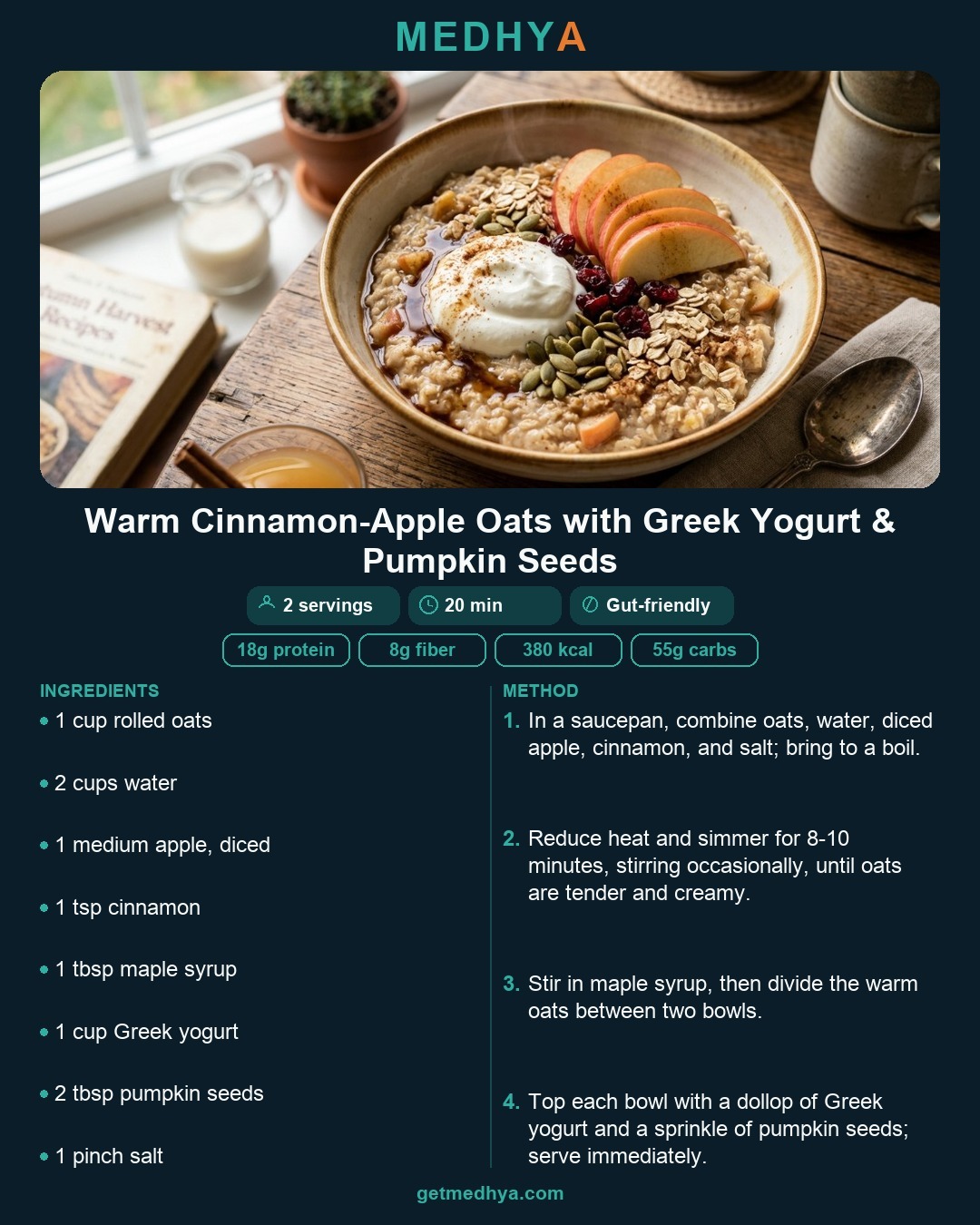
Breakfast

medhya
Perimenopause, naturally
Breakfast
medhya
Perimenopause, naturally
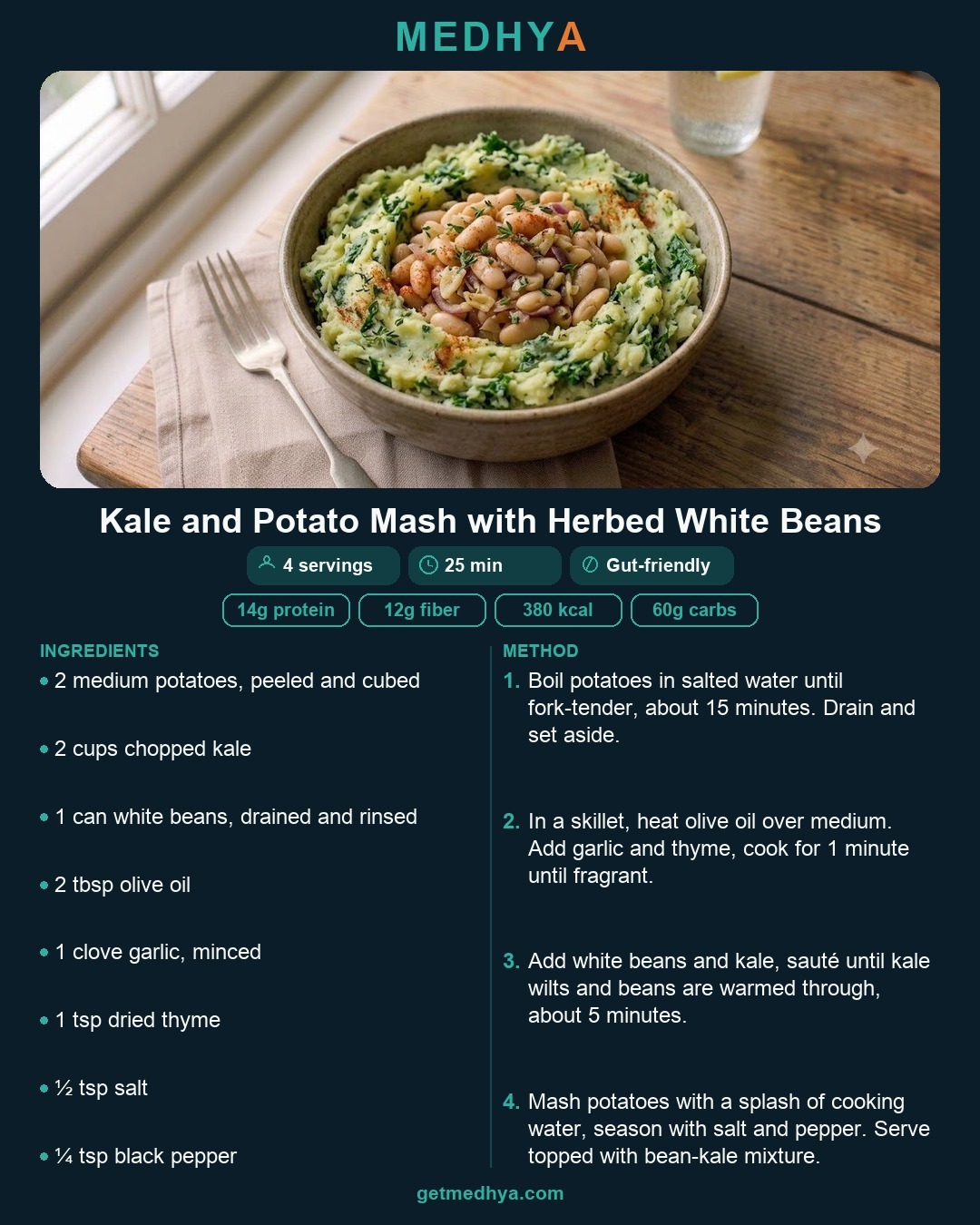
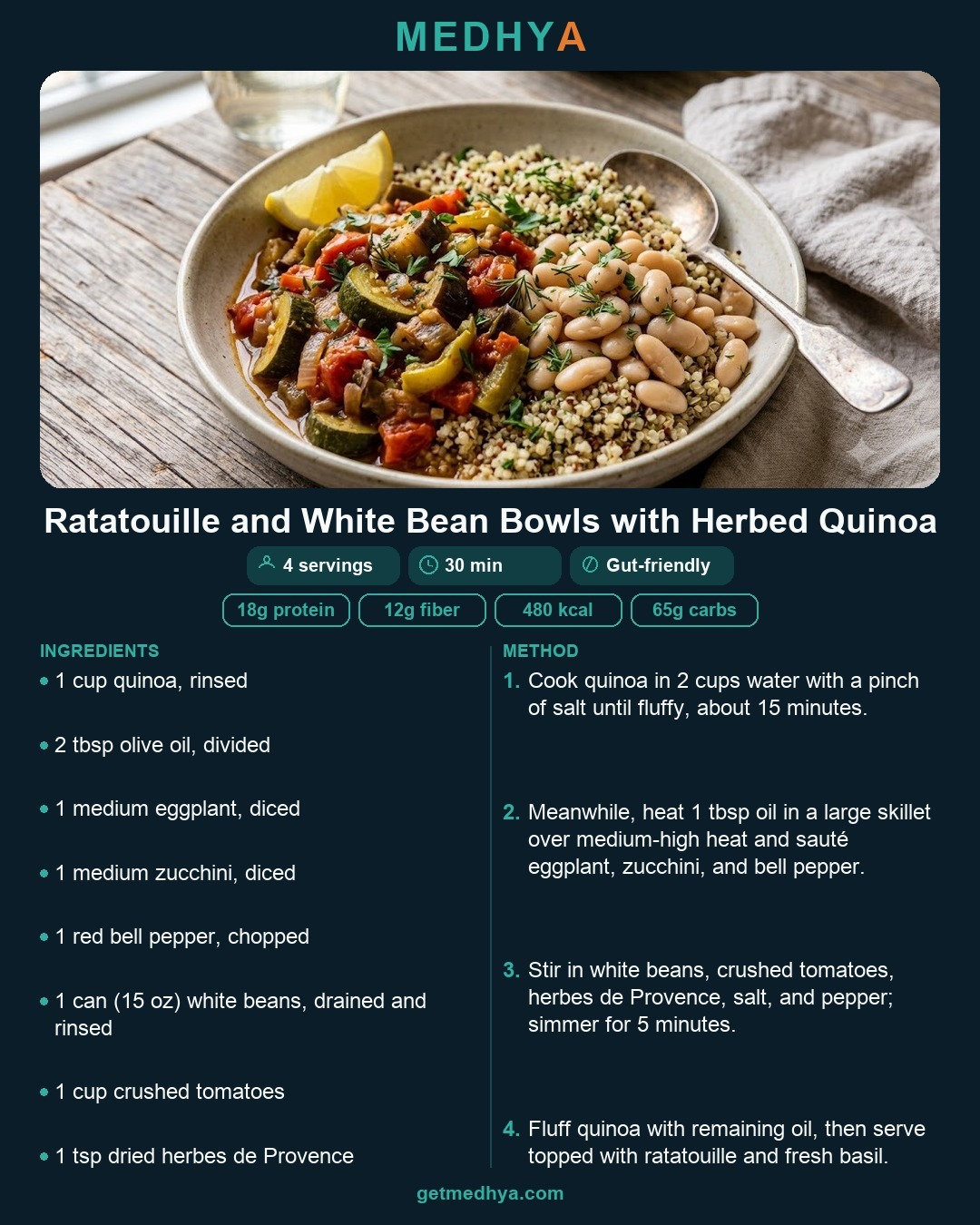
Lunch
medhya
Perimenopause, naturally
Lunch
medhya
Perimenopause, naturally
4. The daily progesterone routine protocol
Small, repeatable signals of safety — not a perfect Sunday reset.
| Phase of day | Goal | Progesterone support action |
|---|---|---|
| Morning routine | Protect hormone precursors | Never drink coffee on an empty stomach. Eat healthy fats/protein (eggs or warm porridge with ghee/seeds) before coffee. |
| Afternoon snack | Luteal seed cycling & zinc boost | Eat 1 tbsp fresh ground sesame seeds + 1 tbsp pumpkin seeds daily to supply raw zinc and selenium. |
| Evening wind-down | Activate GABA & calm brain | Drink warm shatavari/ashwagandha golden milk or chamomile tea with a pinch of nutmeg 1 hour before bed. Open the evening wind-down in the Medhya app. |
medhya
Perimenopause, naturally
5. 3 effortless progesterone-protecting habits
No complicated workout. Three ways to tell your body it is safe enough to make progesterone.
Stop under-eating & fuel your ovaries
Your body will not prioritize making reproductive hormones if it thinks it is in a famine. Eat consistent, warm, nutrient-dense meals to signal safety.
Practice luteal phase seed cycling
Incorporate ground sesame and sunflower seeds daily during the second half of your cycle (or every day during perimenopause) to give your body the exact mineral building blocks it needs.
Cool night thermal regulation
Keep your bedroom cool (around 65–68°F / 18–20°C) and put screens away 30 minutes before bed to preserve endogenous melatonin, which works in harmony with progesterone for deep sleep.