medhya
Perimenopause, naturally
Magnesium relaxes the muscle, calms the nervous system, and buffers cortisol — for your teen and for you in perimenopause. One mineral, two life stages, the same underlying science.
1. Why magnesium is non-negotiable
Magnesium is a cofactor in more than 300 enzymatic reactions. Two of its jobs matter most for how a woman actually feels: relaxing muscle, and keeping the nervous system from running hot. When magnesium drops, both go first.
1. Severe cramping
Magnesium is a natural calcium-channel blocker. It decides how much calcium floods a muscle cell. When that brake is gone, uterine muscle contracts harder and longer — the same mechanism behind a teenager’s worst period and the cramping many women notice again later.
2. Racing thoughts at bedtime
Magnesium modulates GABA, the brain’s primary calming signal. Without enough of it, the mind does not downshift. Sleep latency stretches. You are tired and wired at the same time.
3. The cortisol loop
Stress burns magnesium. Low magnesium makes the nervous system more reactive to stress. Cortisol stays high, more magnesium leaves in urine, and the loop tightens — cramps, poor sleep, a shorter fuse.
medhya
Perimenopause, naturally
2. How your body actually absorbs magnesium
Eating magnesium foods helps. Reaching a depleted store takes more than a handful of nuts.
Food first
Dark leafy greens, pumpkin seeds, dark chocolate, legumes, quinoa, buckwheat, almonds, avocado.
Steady, daily, and easiest on digestion. Harder to reach therapeutic levels if stores are already low.
If you supplement
Glycinate — gentlest. Glycine itself is calming. Best researched for sleep and the nervous system. Take it at bedtime.
Oxide stays mostly in the gut. Useful as a laxative, poor as a magnesium rebuild.
3. The golden rule of pairing
Help it into the cell. Stop wasting what you already ate.
Combine together
- Vitamin B6 — poultry, bananas, chickpeas. Helps shuttle magnesium into cells rather than out through urine.
- Taurine-rich foods — dark meat, fish. Support muscle and nerve alongside magnesium.
- Soak and sprout — nuts, seeds, legumes. Lowers phytic acid that binds the mineral.
Separate or skip
- Alcohol — even a moderate glass increases magnesium loss through the kidney. It can undo a day of careful eating.
- Unbalanced calcium — high-dose calcium competes for the same absorption pathway.
- Chronic stress — high cortisol increases magnesium loss, which makes the nervous system more reactive still.
medhya
Perimenopause, naturally
4. A simple protocol you can actually cook
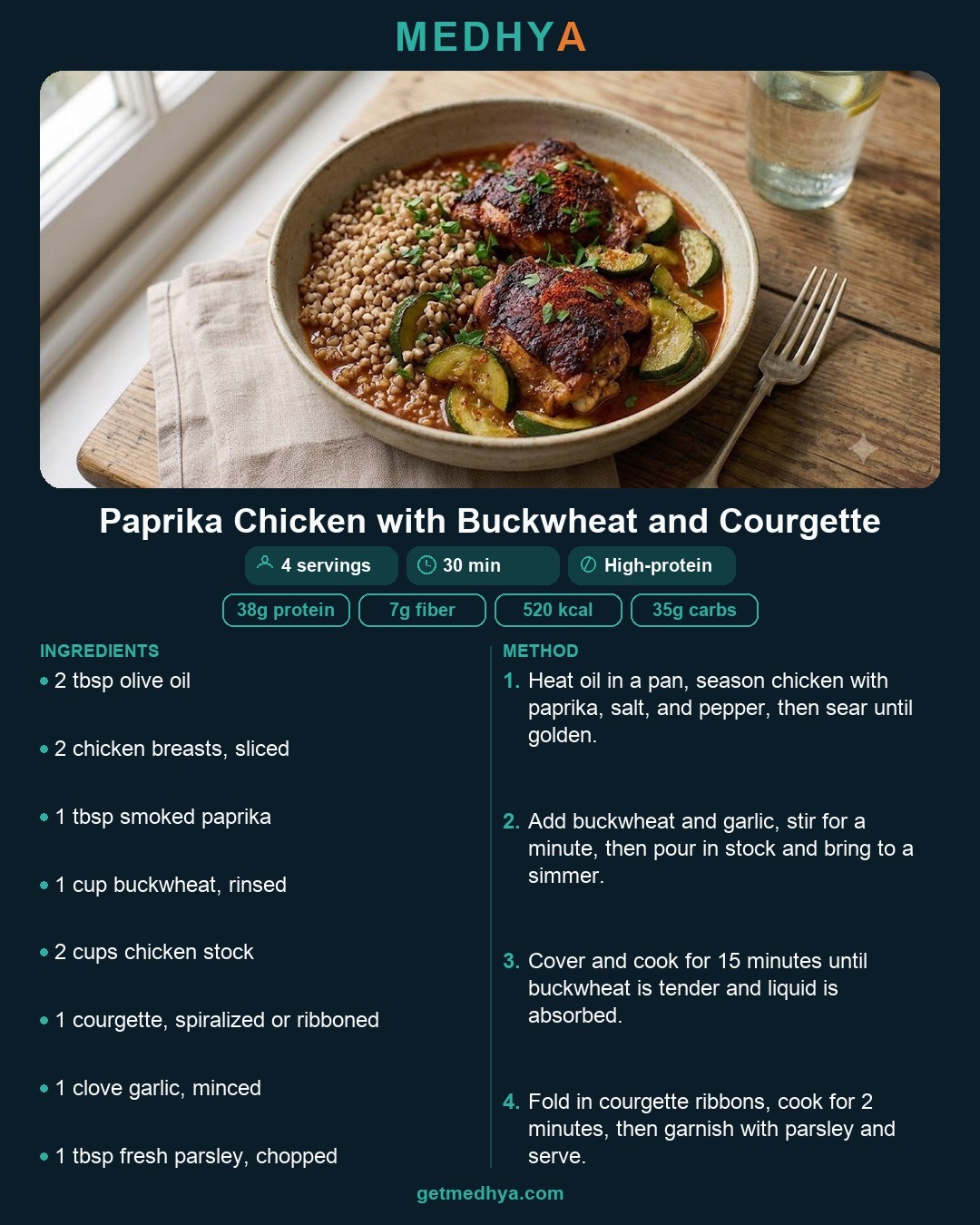
- Put the magnesium meal later in the day — dark leafy greens, pumpkin seeds, tahini, legumes, quinoa, buckwheat.
- Add a vitamin B6 source at the same sitting: poultry, banana, or chickpeas.
- Soak nuts and seeds when you can. Toast them well if you did not soak.
- Skip the wine next to that plate. Save the magnesium you just ate.
medhya
Perimenopause, naturally
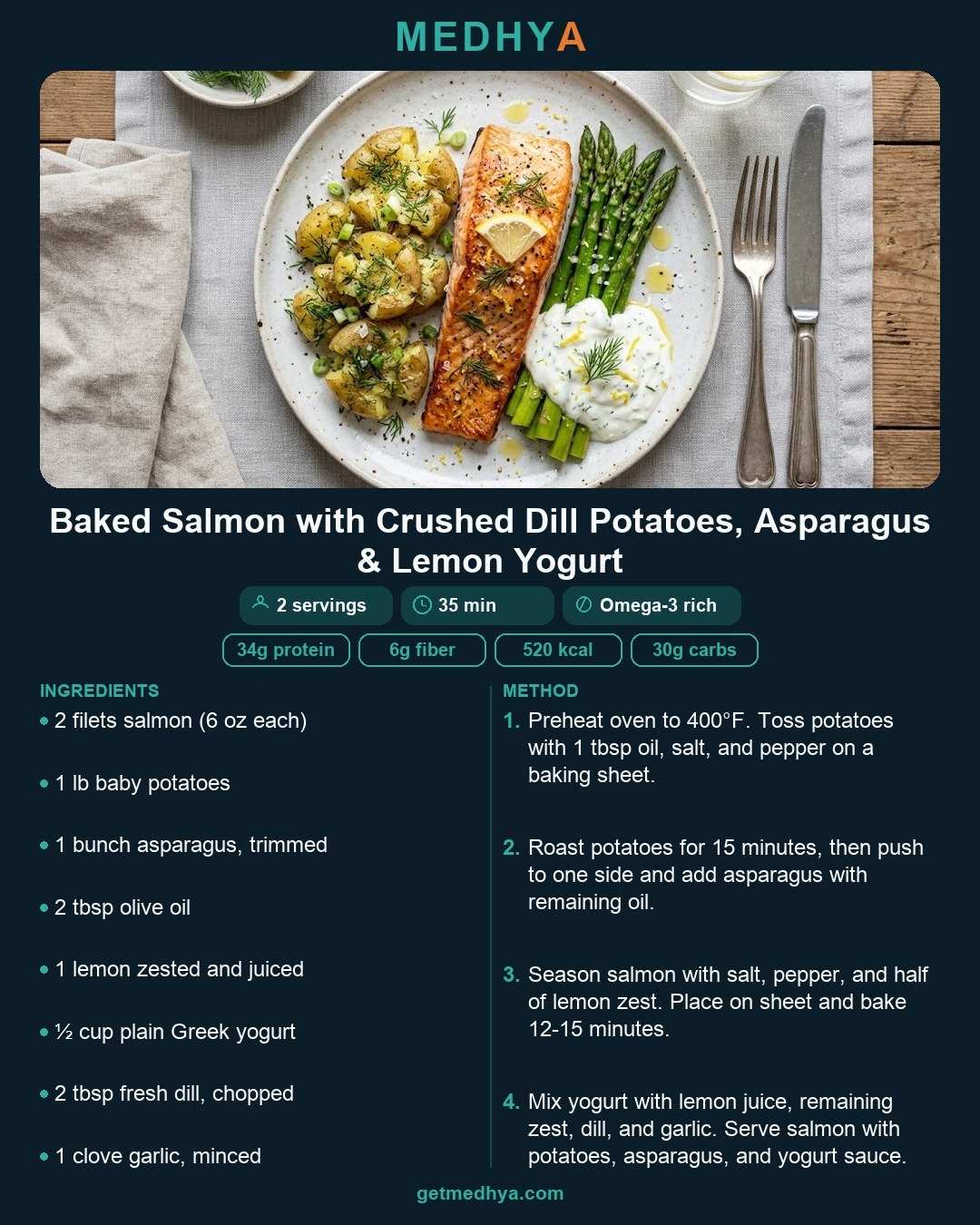
Magnesium-rich recipes for your week
Nine plates that put magnesium back in your body without another powder to remember — breakfast through dinner, for the week you’re actually living. Open your meal plan in the Medhya app for these and thousands more — build my plan
medhya
Perimenopause, naturally
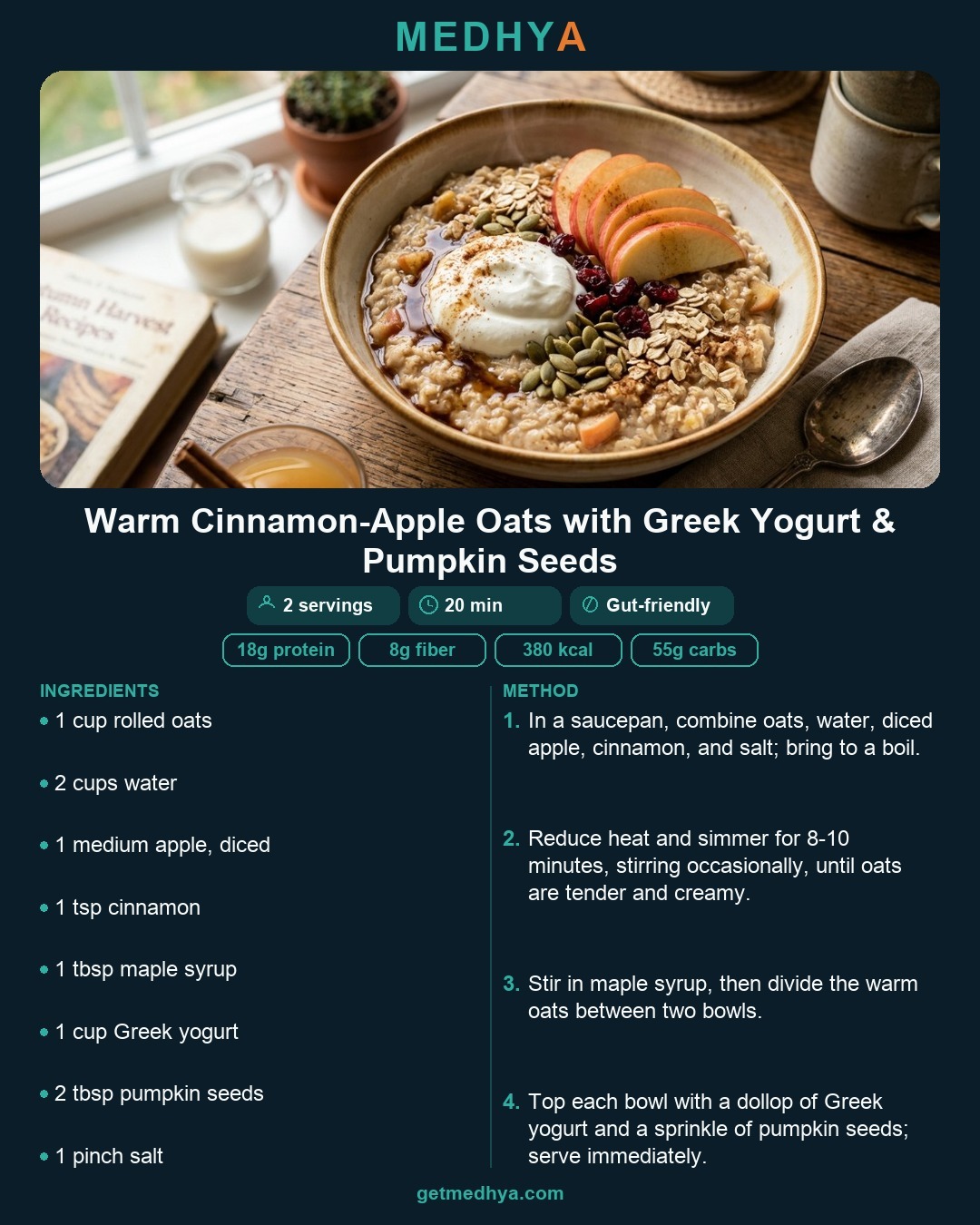
Breakfast
medhya
Perimenopause, naturally
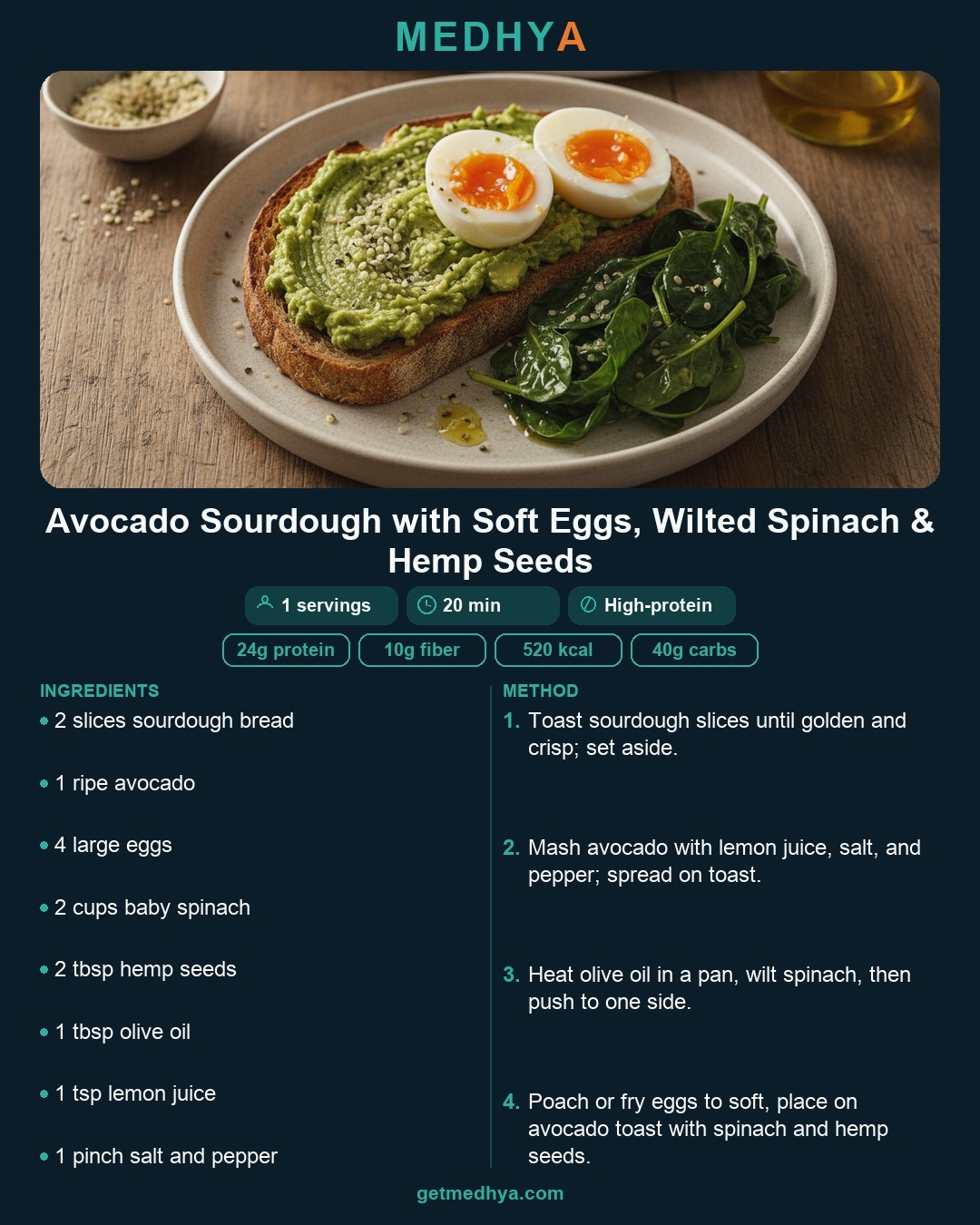
Breakfast
medhya
Perimenopause, naturally
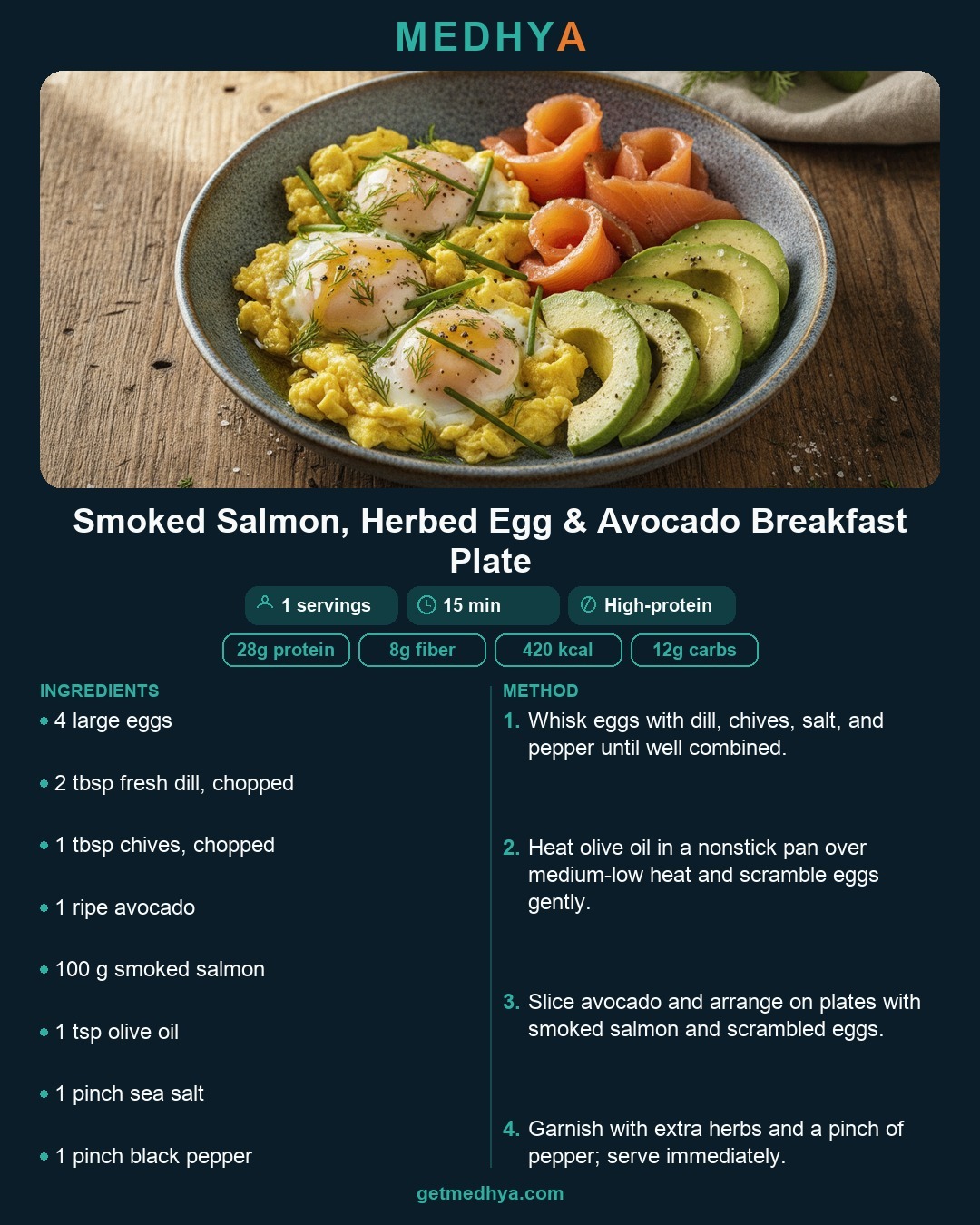
Breakfast
medhya
Perimenopause, naturally
Lunch
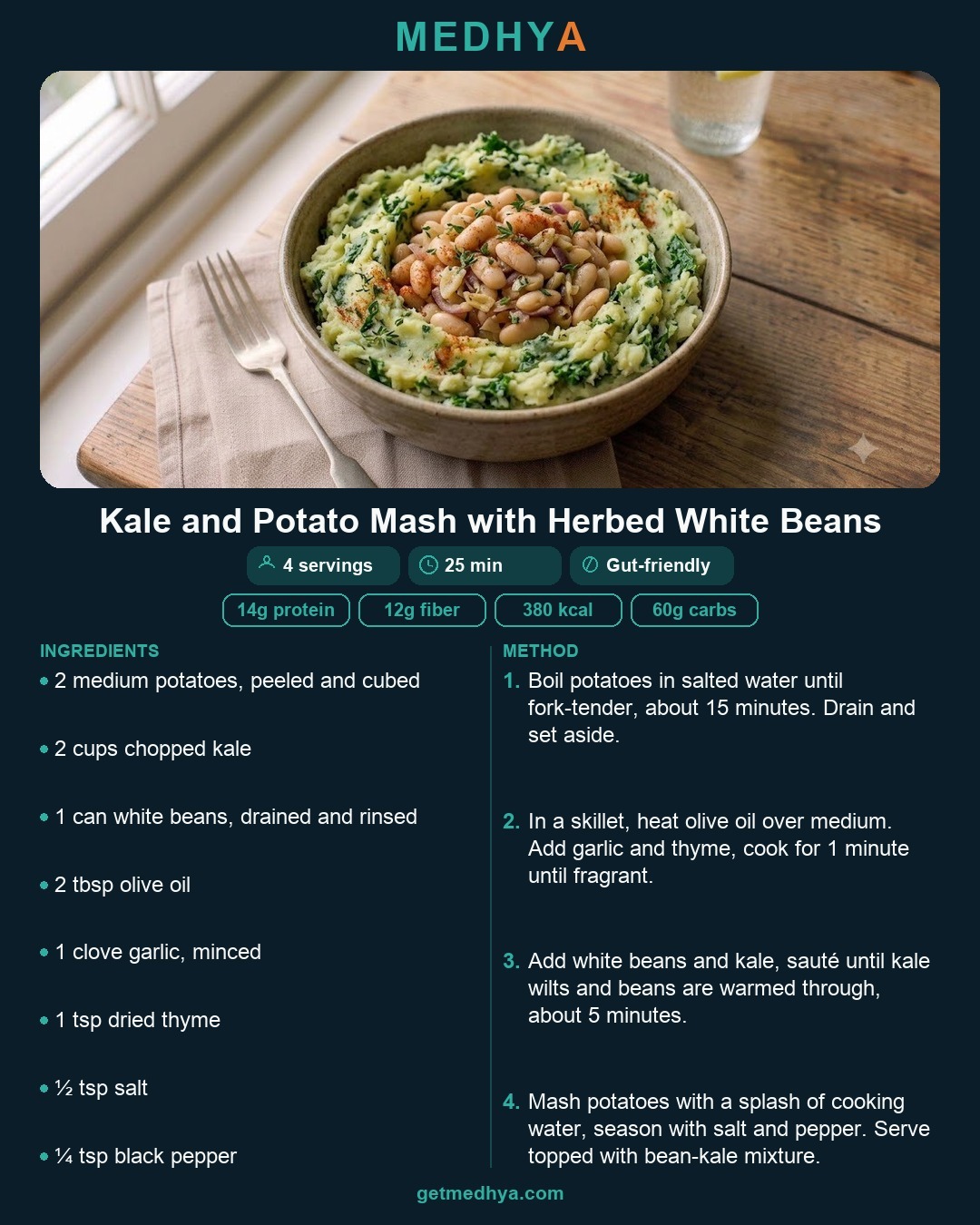
medhya
Perimenopause, naturally
Lunch
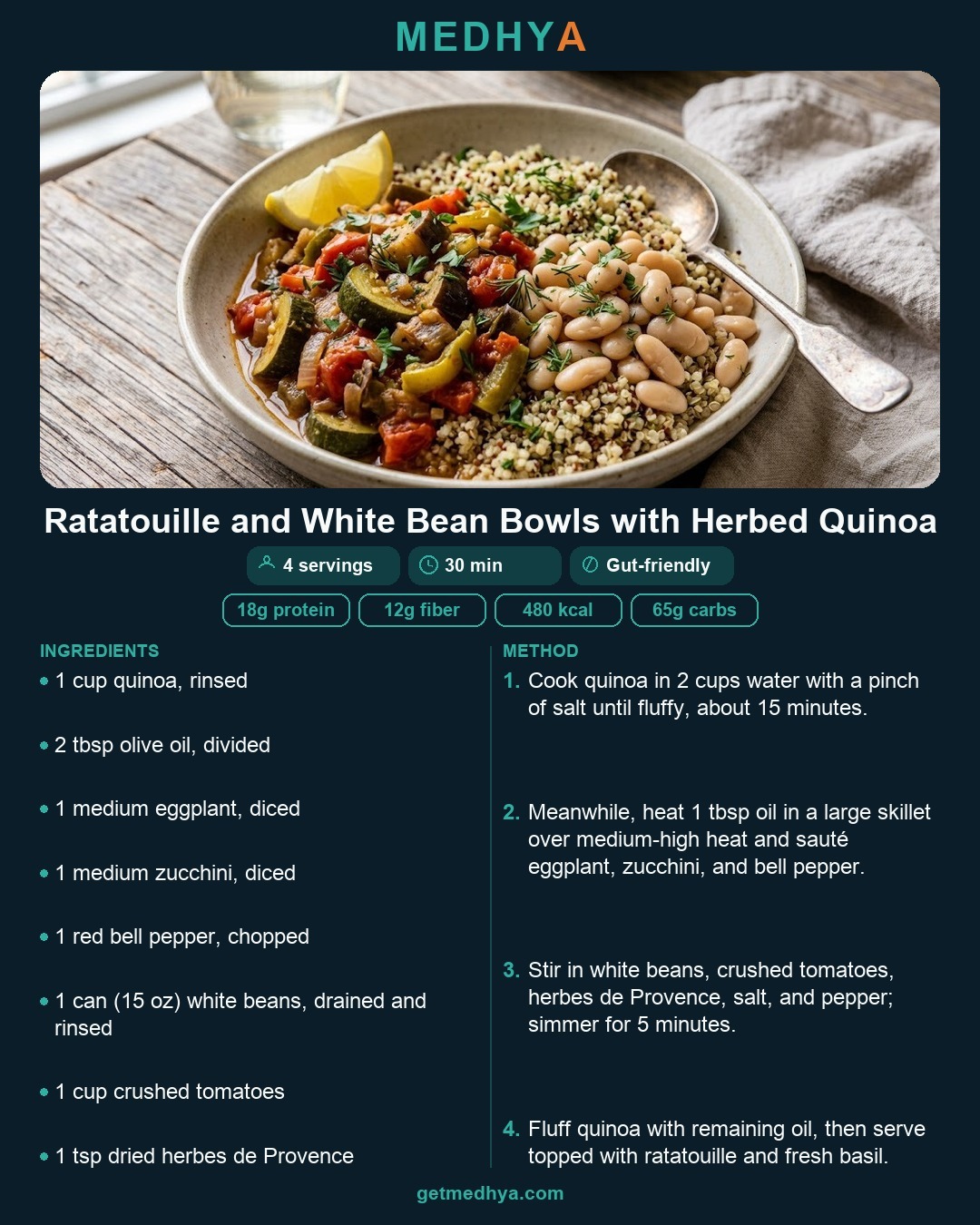
medhya
Perimenopause, naturally
Lunch
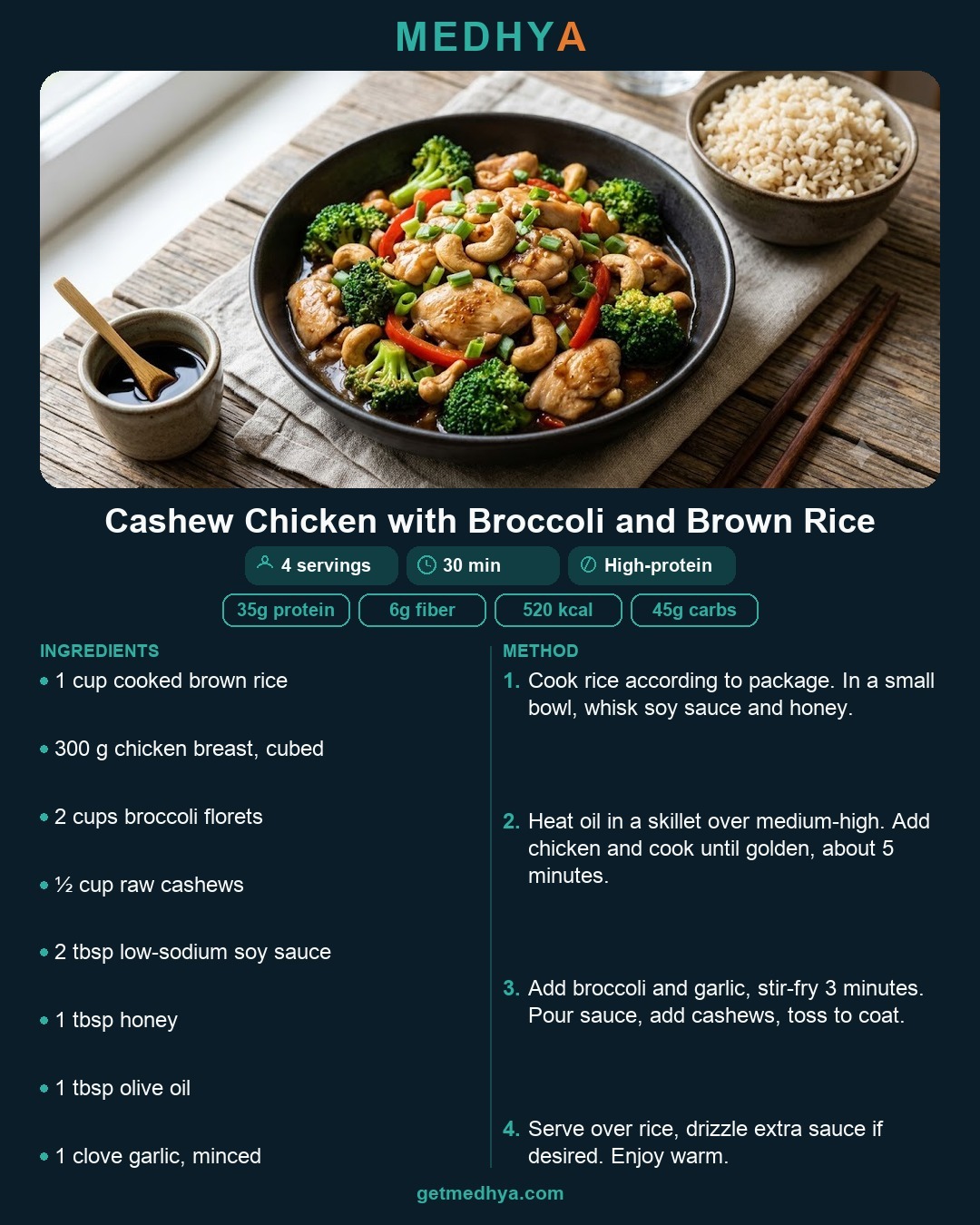
medhya
Perimenopause, naturally
Dinner
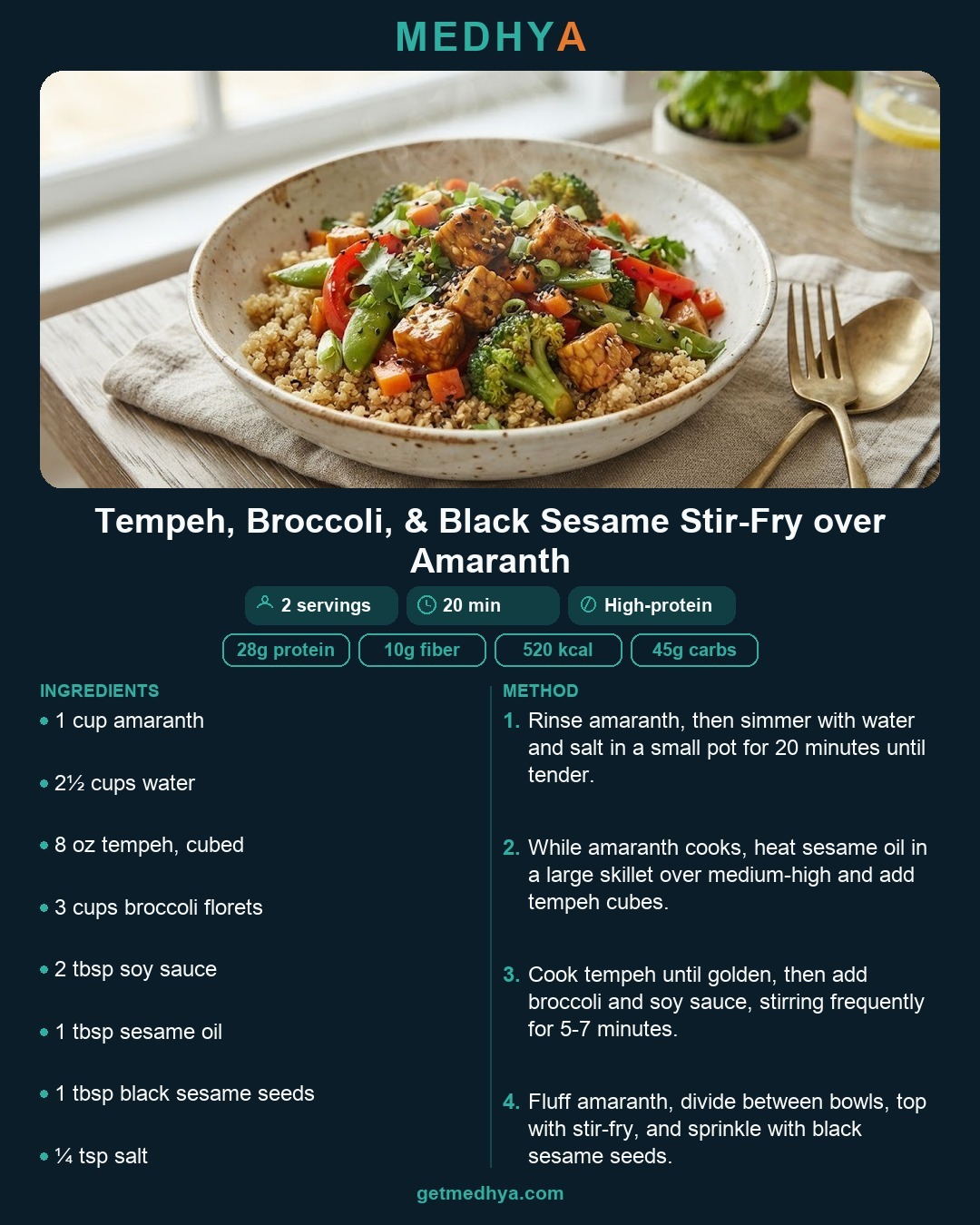
medhya
Perimenopause, naturally
Dinner
medhya
Perimenopause, naturally
Dinner