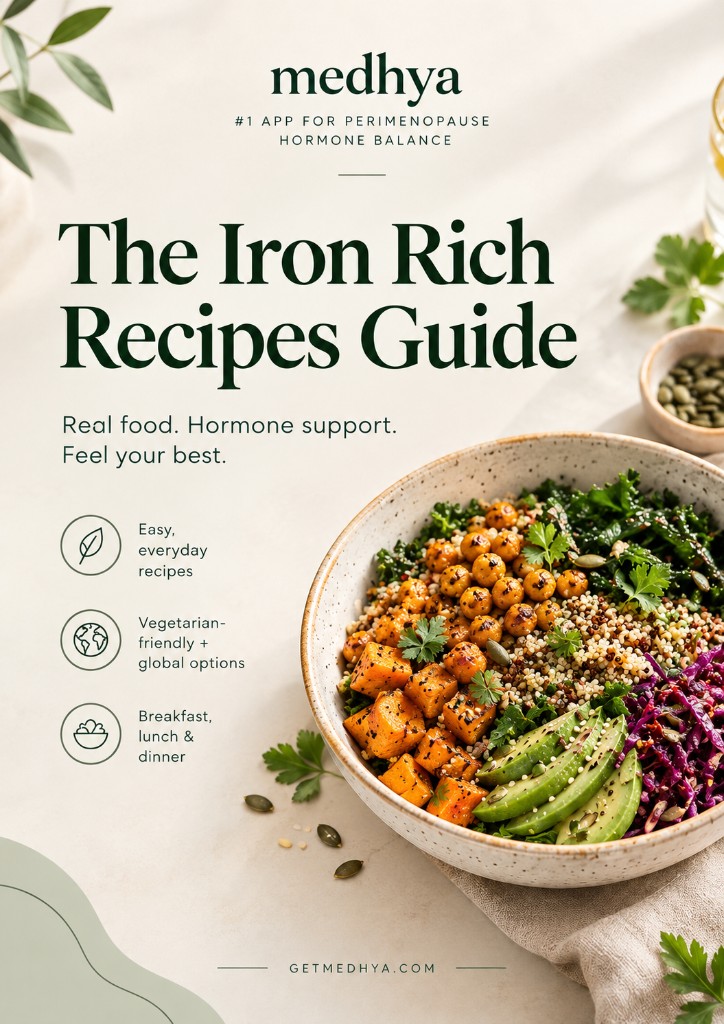
medhya
Perimenopause, naturally
Your iron and ferritin levels are crucial for healthy, pain-free periods, a calm mind, and how you’ll navigate perimenopause.
1. Iron and ferritin are non-negotiable for your hormones
Iron is the structural backbone of hemoglobin — the oxygen-carrying protein in red blood cells — and myoglobin, the oxygen-storing protein in muscle. When iron or ferritin (stored iron) drops, oxygen delivery suffers immediately. It shows up differently depending on where you are in your hormonal life. The mechanism is the same.
1. Severe cramping
During menstruation, uterine muscle contracts again and again. If local oxygen supply is low because iron is low, that tissue slips into oxygen deprivation — and painful spasms. True for a teenager’s first cycle. True for the heavier, less predictable periods many women get later.
2. Bone-deep exhaustion
This is the fatigue that sleep does not touch: heaviness, brain fog, the sense that your body is running on empty. Iron is what your cells use to make energy. When stores drop, so does that capacity — and it feels like it’s in your bones.
3. Low thyroid conversion
Iron-dependent enzymes, including thyroid peroxidase, help convert T4 into active T3. Low iron slows metabolism, worsens weight retention, and intensifies mood swings. It reads as a thyroid problem because, in the body, it is one.
medhya
Perimenopause, naturally
2. How your body actually absorbs iron
Not all iron is created equal. Eating iron foods does not guarantee absorption.
Heme iron
Grass-fed meat, poultry, seafood.
Highly bioavailable. Less affected by diet or digestive inhibitors.
Non-heme iron
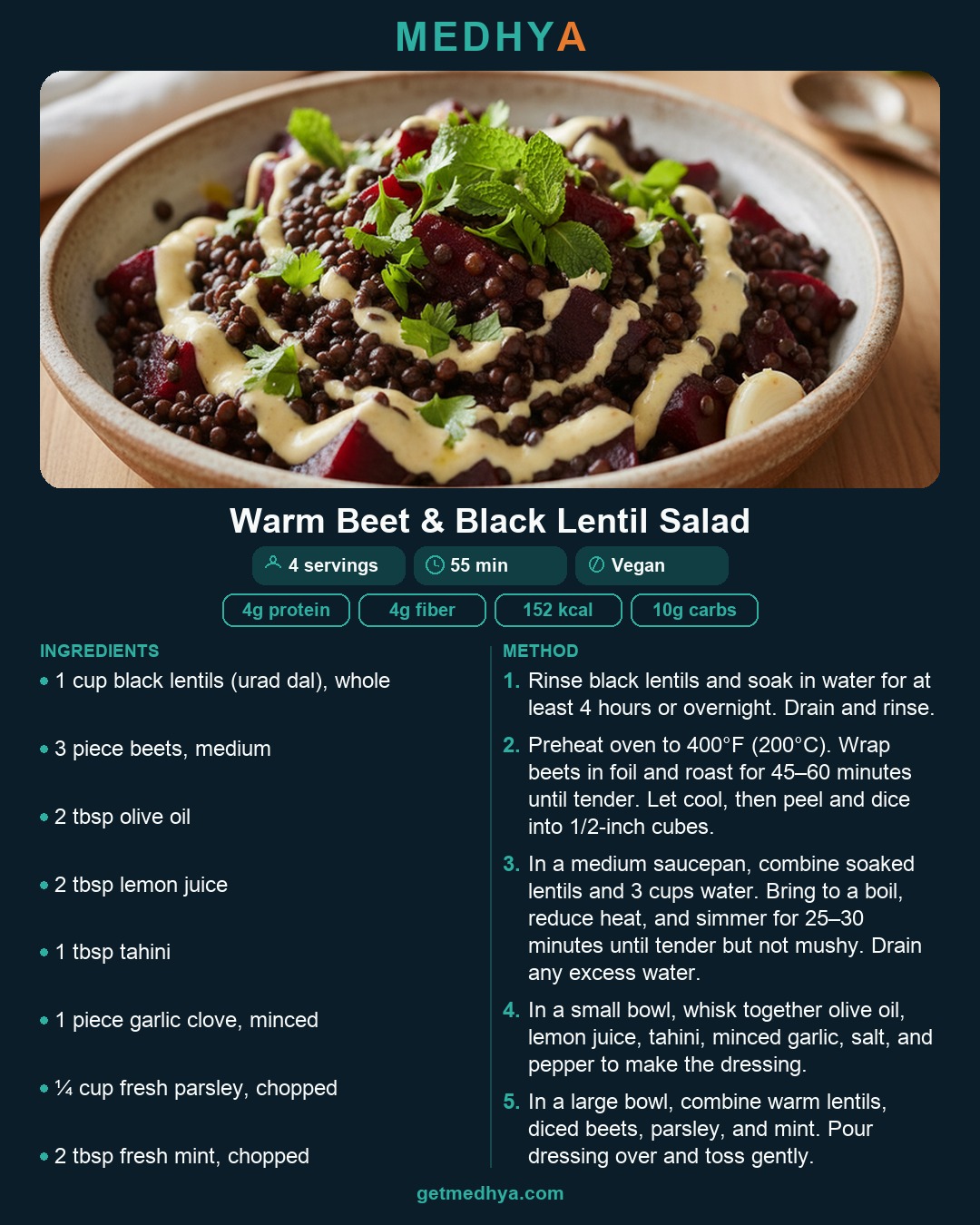
Beets, lentils, dark leafy greens, pumpkin seeds, kitchen spices and herbs.
Needs vitamin C and warm spices (ginger, cumin) to convert into an absorbable form.
3. The golden rule of pairing
Maximize uptake with strategic timing.
Combine together
- Vitamin C — lemon, lime, amla, bell peppers, berries.
- Organic acids — fermented vegetables, a little apple cider vinegar.
- Digestive spices — cumin, coriander, ginger.
Separate by 2 hours
- Tannins — black tea, green tea, coffee, cocoa.
- Calcium and dairy — milk, cheese, yogurt.
- Phytates — unsoaked grains and legumes, raw spinach.
medhya
Perimenopause, naturally
4. A simple protocol you can actually cook
- Soak or sprout pulses (lentils, beans) 8–12 hours. That releases minerals phytates would otherwise lock up.
- Always add citrus. Squeeze lemon over cooked greens after heat — simmering destroys vitamin C.
- Prioritize warm, spiced dishes over raw cold salads on the days you need iron most.
- Support the gut lining — ginger water and a little ghee help the mucosal barrier, which is where absorption happens.
medhya
Perimenopause, naturally
Iron-rich recipes for your week
These are the meals that put iron back in your body without asking you to eat like someone else — breakfast through dinner, for the week you’re actually living. Open your meal plan in the Medhya app for more gut-healing, anti-inflammatory plates — build my plan
medhya
Perimenopause, naturally
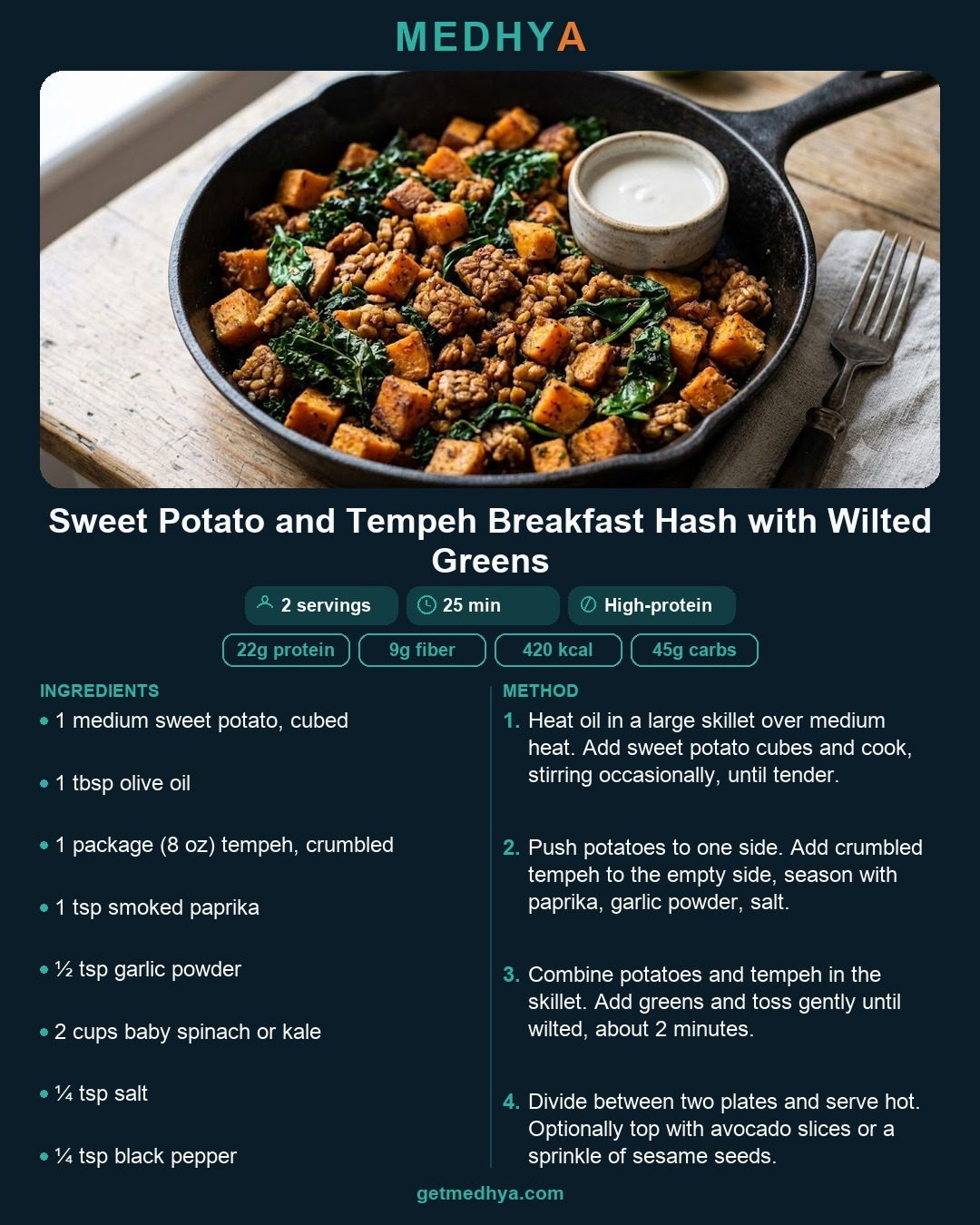
Breakfast
medhya
Perimenopause, naturally
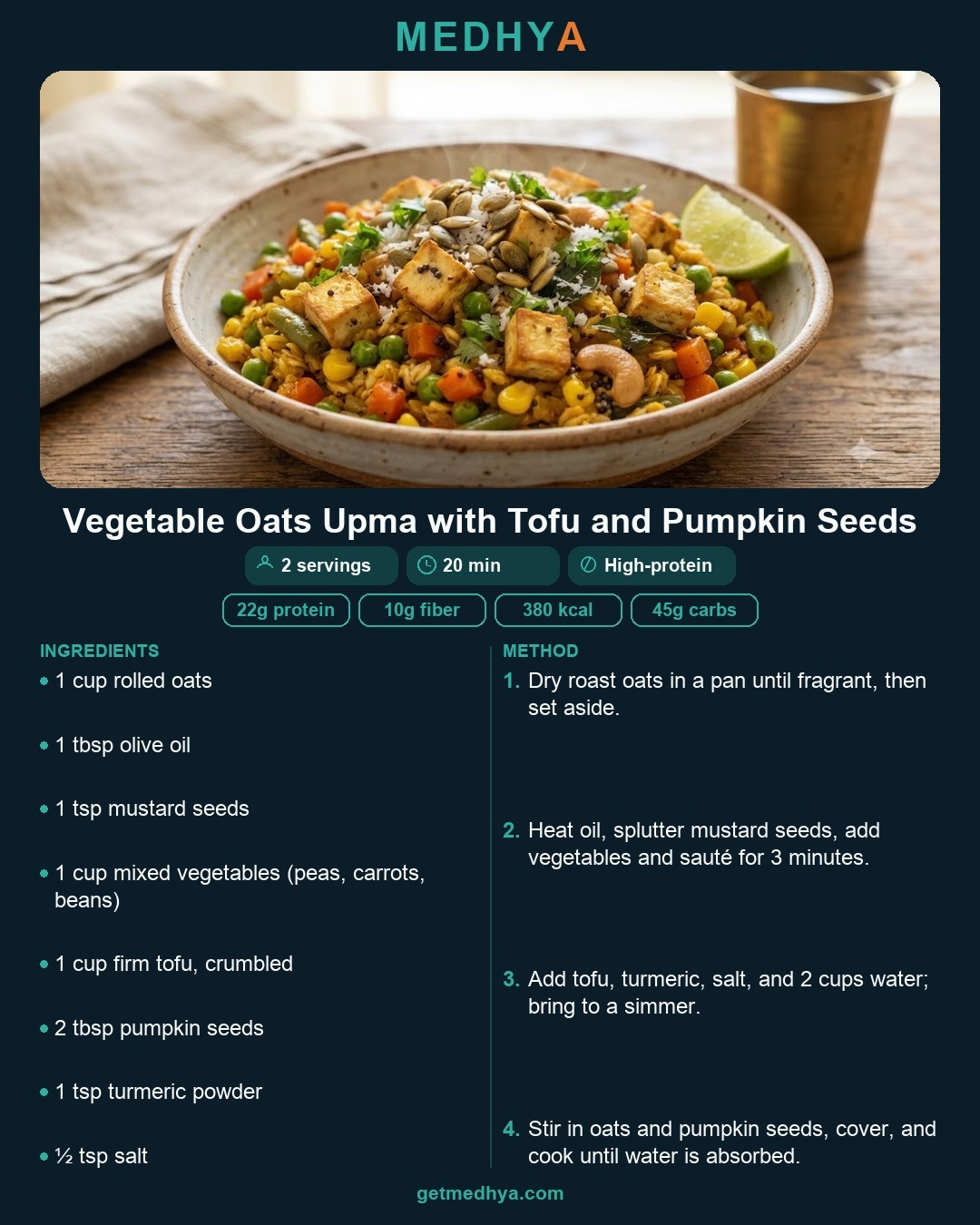
Breakfast
medhya
Perimenopause, naturally
Breakfast
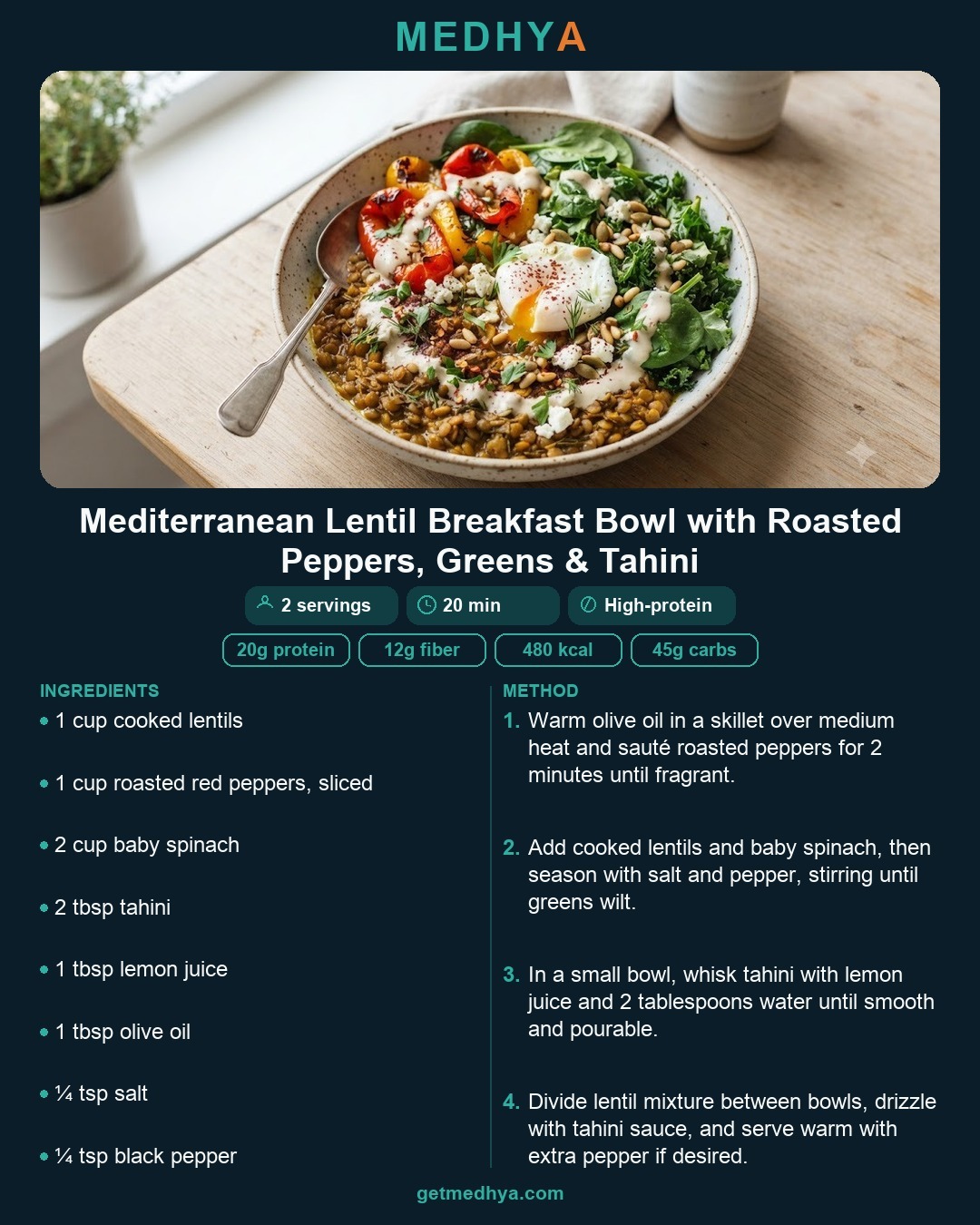
medhya
Perimenopause, naturally
Breakfast
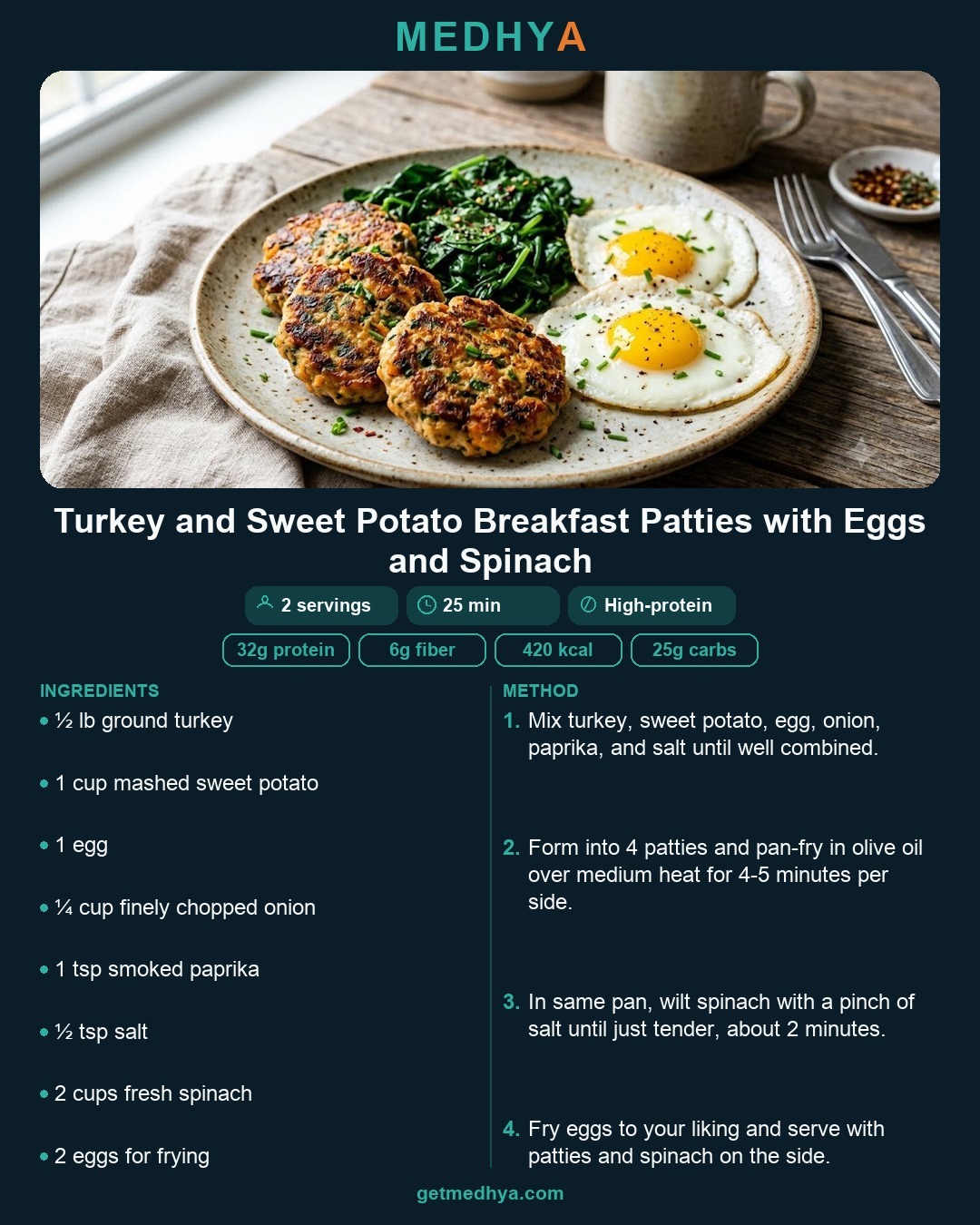
medhya
Perimenopause, naturally
Breakfast
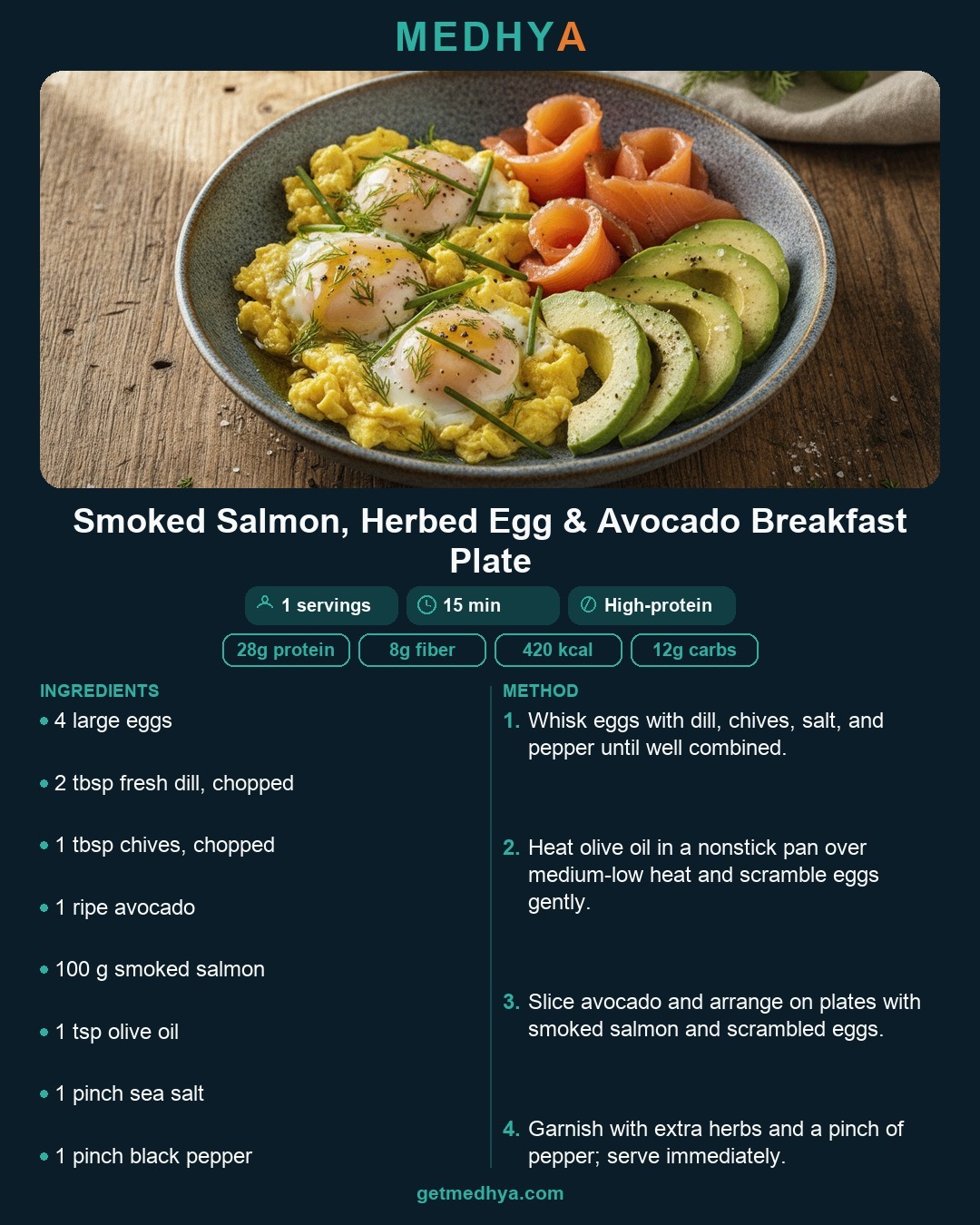
medhya
Perimenopause, naturally
Lunch
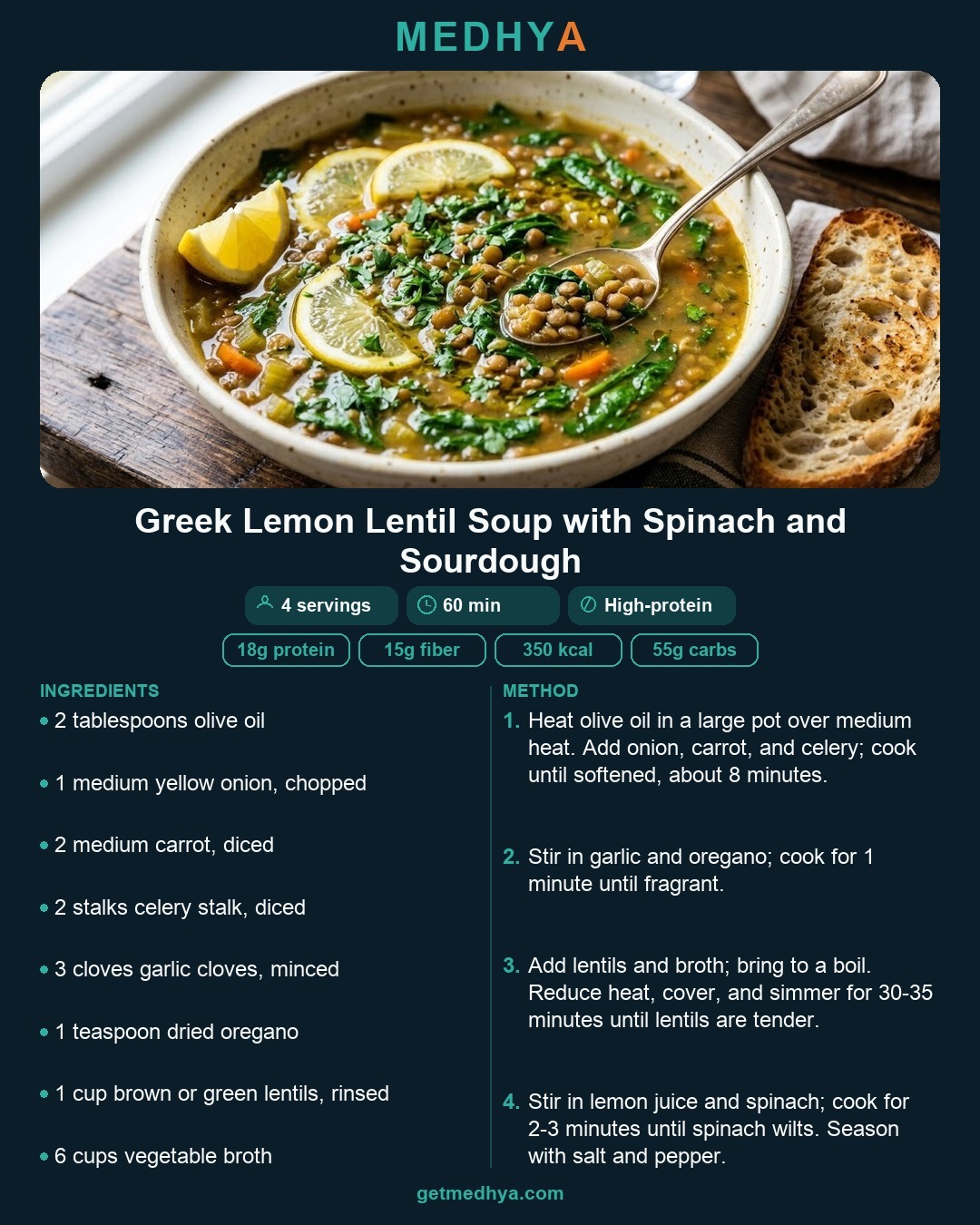
medhya
Perimenopause, naturally
Lunch
medhya
Perimenopause, naturally
Lunch
medhya
Perimenopause, naturally
Lunch
medhya
Perimenopause, naturally
Lunch
medhya
Perimenopause, naturally
Dinner
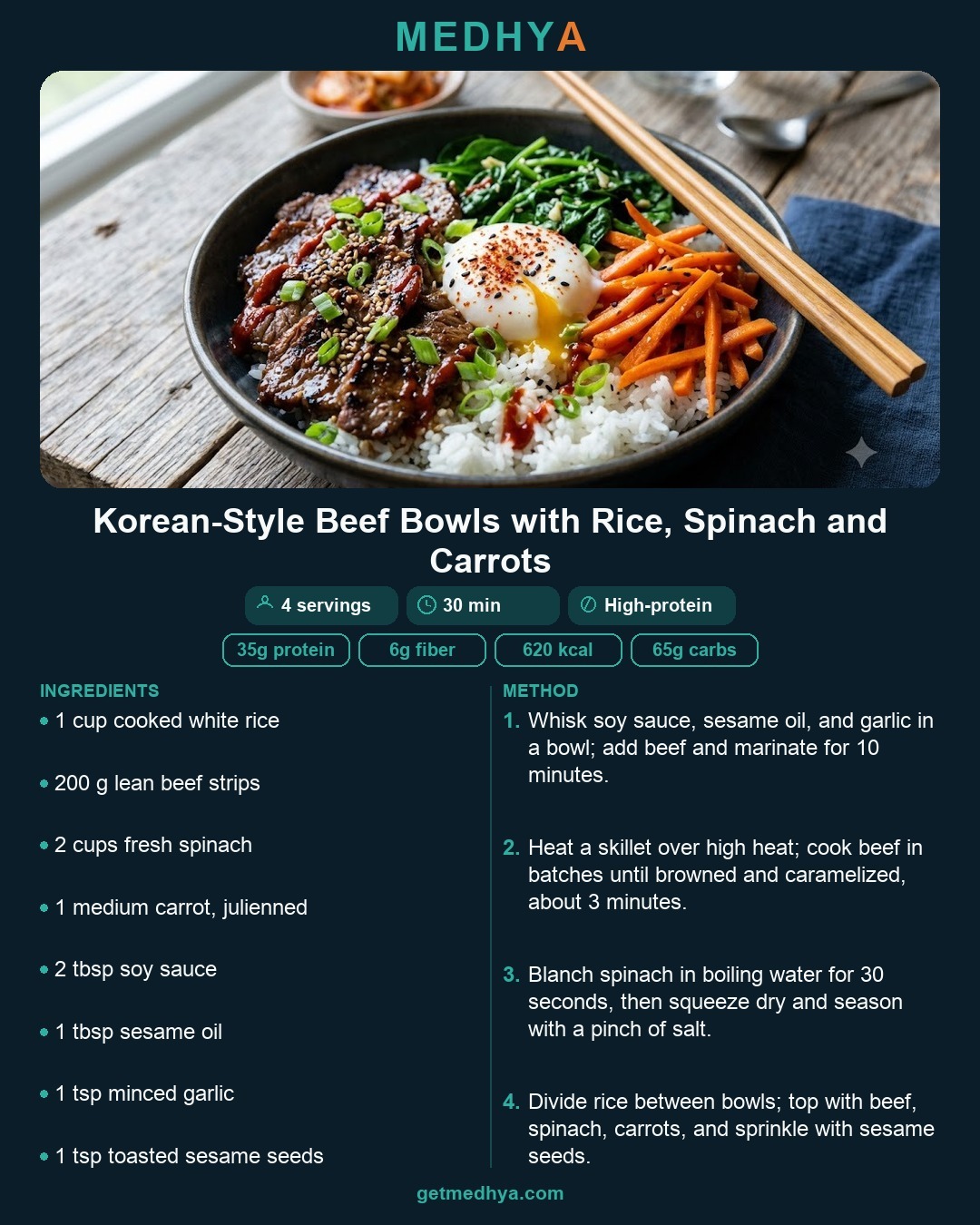
medhya
Perimenopause, naturally
Dinner
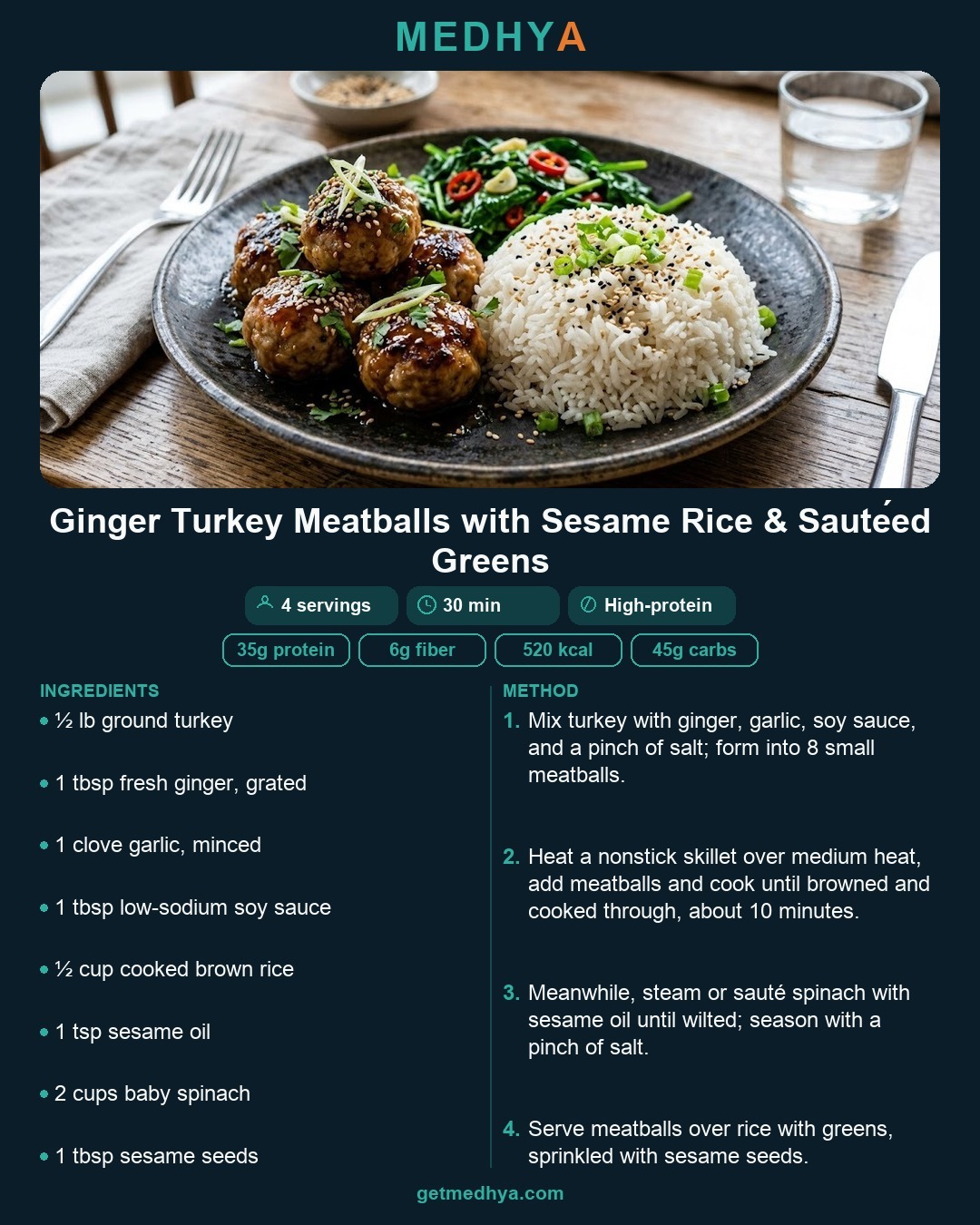
medhya
Perimenopause, naturally
Dinner
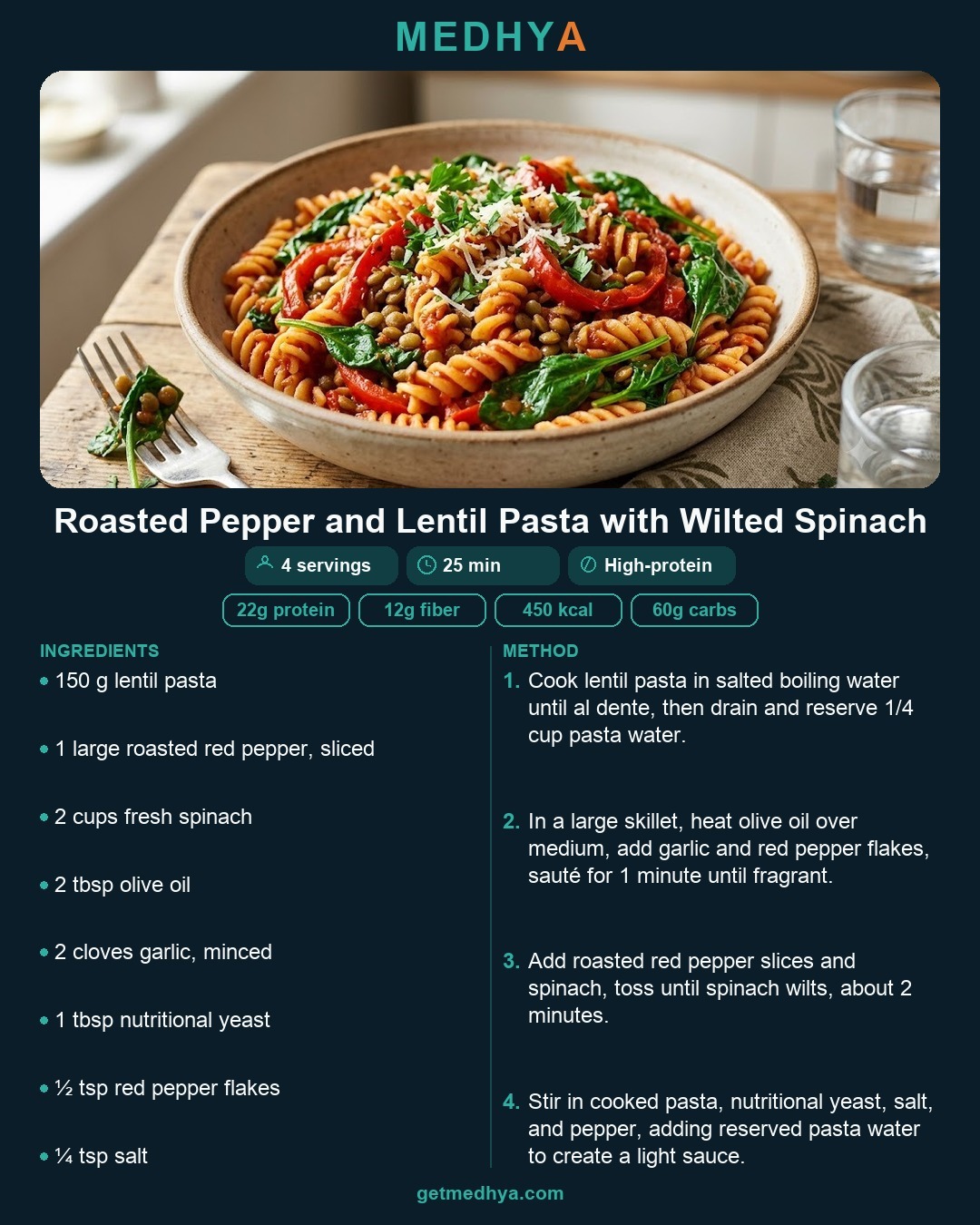
medhya
Perimenopause, naturally
Dinner
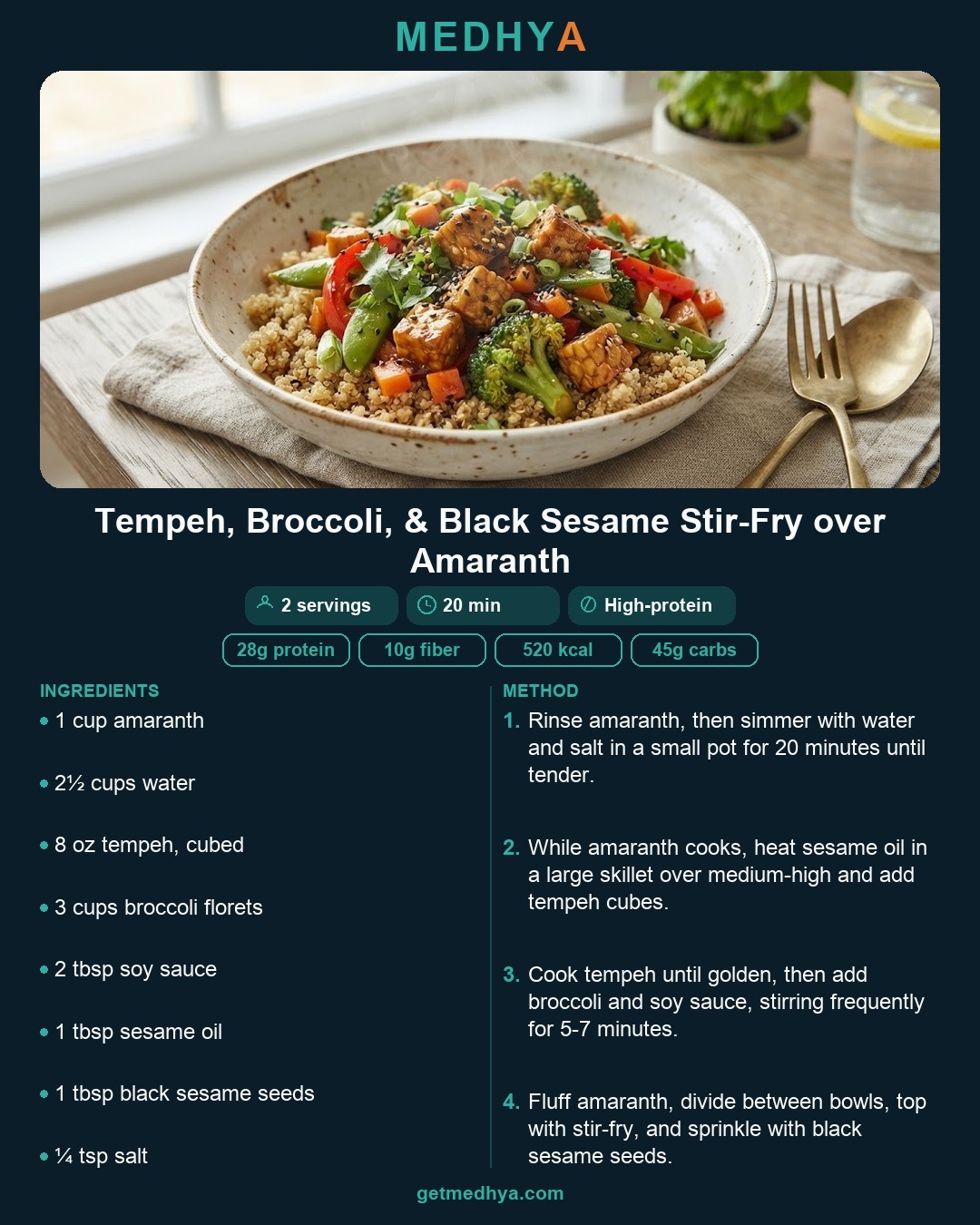
medhya
Perimenopause, naturally
Dinner